Window film for West Palm Beach's downtown waterfront, Northwood Village, Norton Museum district, and Intracoastal properties.
Architectural window film for West Palm Beach homes, buildings, and yachts. Privacy, protection, and performance — matched pane by pane.
Tints · Solar / UV · Security
Residential · Commercial · Yacht
Window film for West Palm Beach, specified for what's actually here.
- —Palm Beach County · South Florida
- —West Palm Beach's position on Lake Worth Lagoon means all downtown and near-downtown properties face reflective UV amplification from the water. The Intracoastal Waterway to the east and the lagoon itself extend salt-air influence well into the urban core. Downtown high-rises face full sun from multiple orientations with no adjacent shading structures in many cases.
- —Residential homes & condos
- —Commercial & office glass
- Norton Museum of Art
- Kravis Center for the Performing Arts
- CityPlace / Rosemary Square
What matters when specifying window film in West Palm Beach.
Downtown High-Rise Solar Load
West Palm Beach's new downtown residential and commercial towers have large glass footprints facing the lagoon, north, south, and west. Spectrally selective solar film on these elevations reduces HVAC load while preserving the views that are the primary amenity for units at these addresses.
Lagoon-Side UV Amplification
Properties facing Lake Worth Lagoon and the Intracoastal receive UV reflected off the water's surface in addition to direct solar exposure. This amplification is particularly significant on lower floors where the water surface is within the glass's sightlines.
Historic Neighborhood Glass
West Palm Beach's historic residential neighborhoods, El Cid, Flamingo Park, Grandview Heights, have older single-pane or early double-pane glass in architecturally significant homes. Film upgrades the thermal performance of this glass without requiring replacement that could affect historic character.
The right film for West Palm Beach's specific conditions.
Window film services for West Palm Beach properties.
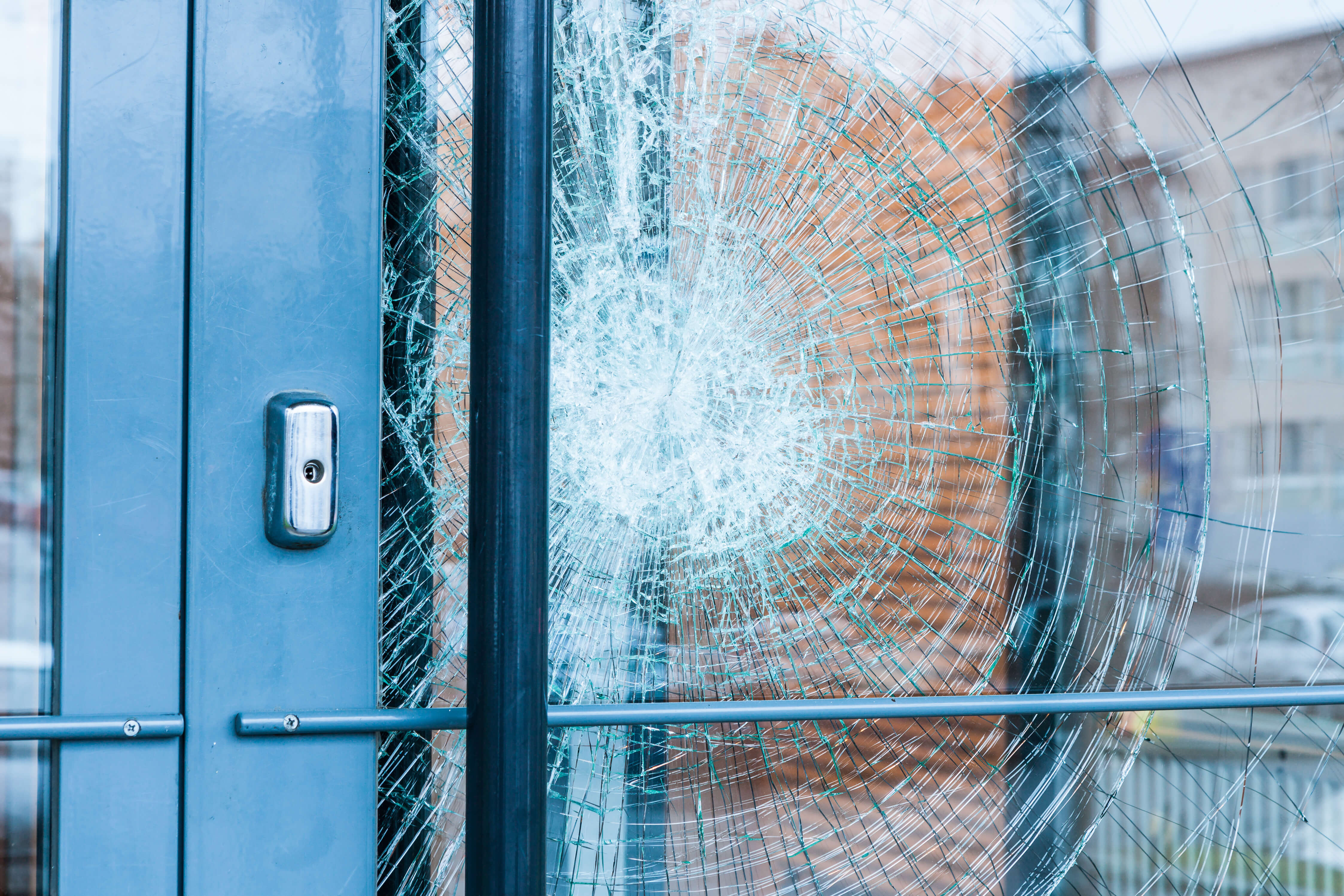
Anti-Shatter & Security Film
Holds glass in place after impact. Critical for South Florida hurricane season and forced-entry resistance. Select systems carry Miami-Dade NOA certification.
Solar Heat Rejection Film
Reduces HVAC load and blocks solar gain without sacrificing views. Spectrally selective options maintain natural light while cutting up to 79% of solar heat.
UV, Privacy & Frosted Film
Blocks 99% of UV radiation that bleaches interiors. Reflective, privacy, and frosted options for residential and commercial glass without full replacement.


Anti-Shattering Film
A second layer of glass that's almost invisible and engineered to hold the pane together when everything else fails.
Explore the FilmReflective Film
Reject the heat and the gaze of the street without losing the view. Dual-reflective technology tuned for coastal glass.
Explore the FilmFrosted Film
The look of acid-etched glass, professionally installed in a single visit, and custom-cut to the millimeter.
Explore the FilmHeat Rejection Film
The hottest west-facing glass in Florida, calmed. 78% of solar energy rejected at the pane, with night-time views kept clear from inside.
Explore the FilmPrivacy Tints
Non-reflective ceramic tints that darken the outside view and leave the inside one clean.
Explore the FilmUV Protection Film
More than 99% of the ultraviolet spectrum stopped at the glass. Clear film, invisible benefit, decades of protection.
Explore the FilmFrequently asked about window film in West Palm Beach.
What film is best for a West Palm Beach downtown condo facing Lake Worth Lagoon?
+
For lagoon-facing glass, we recommend a spectrally selective solar film that maintains high visible light transmission while rejecting solar heat and blocking 99% of UV. The lagoon reflection amplifies both solar heat and UV, so this combination provides the best value for comfort and interior protection.
Does Blackridge service West Palm Beach?
+
Yes. West Palm Beach is in our Palm Beach County service area. Survey scheduling typically runs 1–2 weeks from contact, and we're familiar with the city's downtown development and historic neighborhood districts.