Privacy Tints
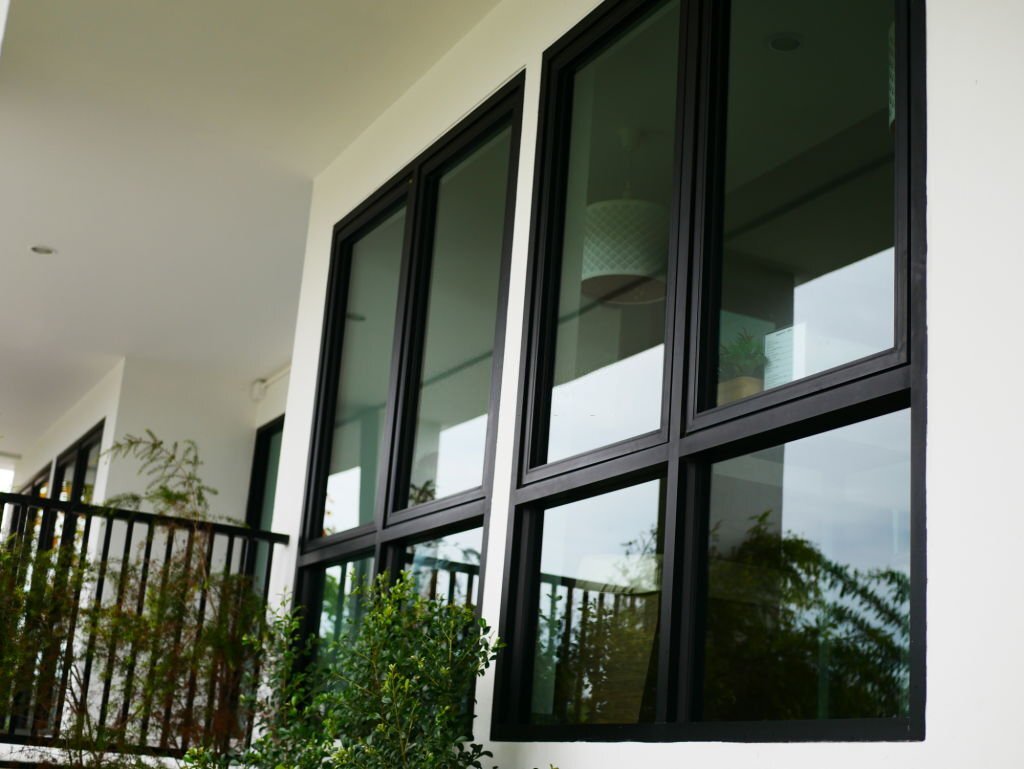
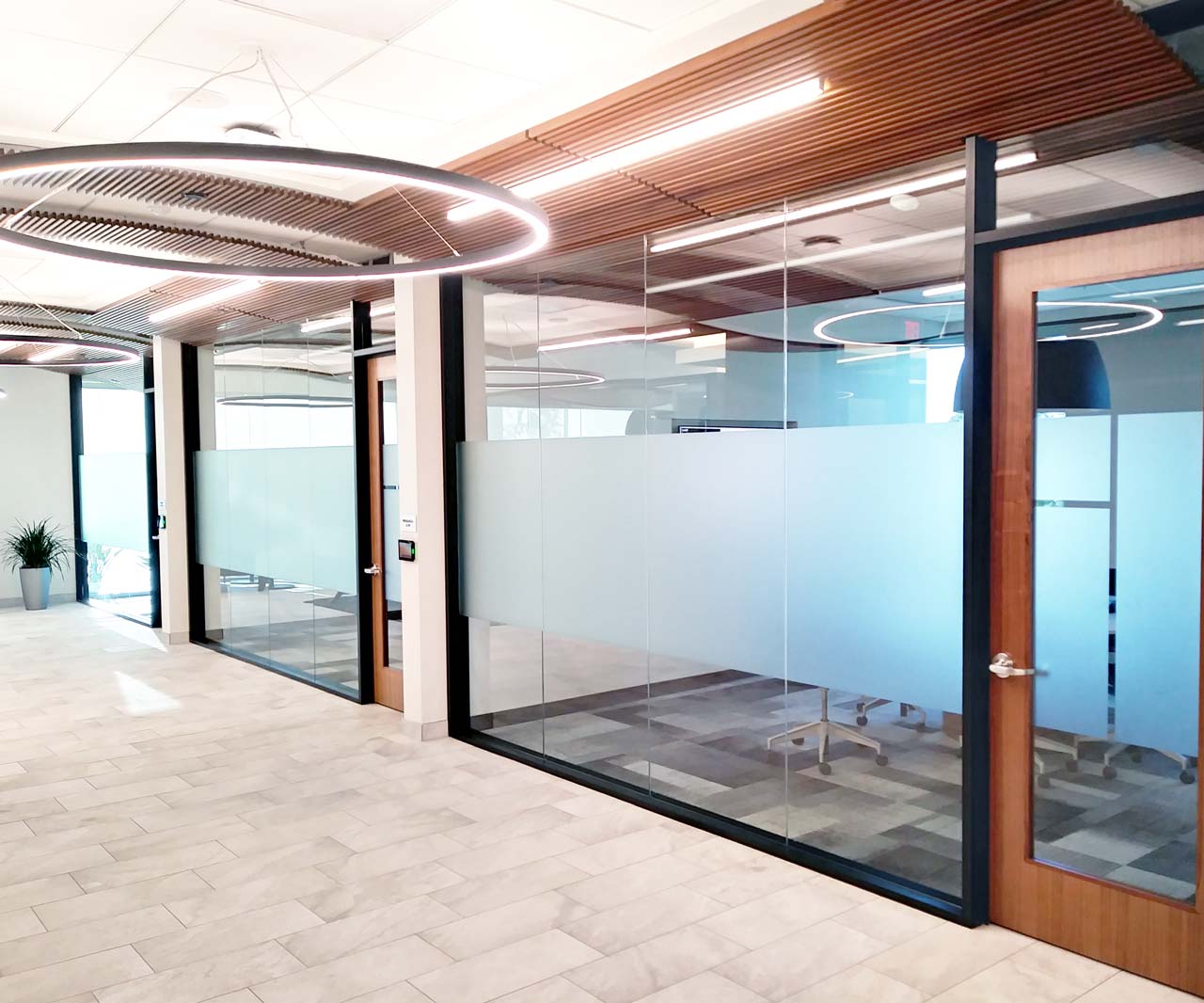
Non-reflective ceramic tints that darken the outside view and leave the inside one clean.
See out, not in
Daytime privacy without curtains or blinds
Cooler rooms
Rejects up to 60% of solar heat
No signal issues
Ceramic film won't block Wi-Fi or cell service
Reduces skin risk
99% UV protection for anyone near the glass
True daytime privacy
Low VLT makes interiors unreadable from the street or dock in daylight, without the mirror look of reflective film.
Ceramic, not metal
Nano-ceramic construction. No signal interference, no coastal corrosion, no thermal stress on low-e or impact units.
Heat and glare control
Rejects up to 60% of solar energy and 90%+ of infrared. Rooms stay cool and screens stay readable.
Ceramic Privacy · Neutral Charcoal
Specs reflect manufacturer-published performance data for professional installation on standard architectural glazing.
Ceramic Privacy 35
Our default privacy tint. Mid-range VLT that reads as tinted glass from outside and as clear from inside.
View SpecificationsHide Specifications
Ceramic Privacy 35
Our default privacy tint. Mid-range VLT that reads as tinted glass from outside and as clear from inside.
- Visible light transmission
- 35%
- Total solar energy rejected
- 52%
- Infrared rejection
- 88%
- Glare reduction
- 60%
- UV rejection
- ≥ 99%
- Visible light reflectance (interior)
- 8%
- SHGC
- 0.48
Ceramic Privacy 20
Darker ceramic for deeper privacy on bedrooms, owners' cabins, and street-facing glass.
View SpecificationsHide Specifications
Ceramic Privacy 20
Darker ceramic for deeper privacy on bedrooms, owners' cabins, and street-facing glass.
- Visible light transmission
- 20%
- Total solar energy rejected
- 60%
- Infrared rejection
- 92%
- Glare reduction
- 76%
- UV rejection
- ≥ 99%
- Visible light reflectance (interior)
- 7%
- SHGC
- 0.40
Neutral Charcoal 15
The deepest privacy VLT we install. Warm charcoal cast, minimal color shift on the interior view.
View SpecificationsHide Specifications
Neutral Charcoal 15
The deepest privacy VLT we install. Warm charcoal cast, minimal color shift on the interior view.
- Visible light transmission
- 15%
- Total solar energy rejected
- 63%
- Infrared rejection
- 94%
- Glare reduction
- 82%
- UV rejection
- ≥ 99%
- SHGC
- 0.37
Manufacturer's limited lifetime warranty for interior residential; 15-year commercial.
- Principal bedrooms and media rooms
- Street-facing residences and townhomes
- Executive offices and conference rooms
- Yacht owners' cabins and salons
- Ground-floor retail with a privacy requirement
- NFRC-certified performance data
- Skin Cancer Foundation Seal of Recommendation (select SKUs)
- Non-metalized (no signal interference)
Walk-through first
Every job starts with us on-site, walking your glass in person so the spec matches the building.
Specified per pane
We don't put the same film on every window. Each pane gets matched to orientation, glass type, and what you need it to do.
One crew, start to finish
The team that surveys your glass is the team that installs the film. No handoffs, no subcontractors.
What clients ask about privacy tints.
What's the difference between a privacy tint and a reflective film?
+
Reflective films use a metalized or dielectric surface to bounce sunlight back, which is what gives them their mirror effect from outside. Privacy tints are non-reflective ceramic or dyed films that get their privacy from low visible light transmission, not reflectance. From inside you get a clean, natural view. From outside, low VLT makes the glass read as dark.
Will a dark tint make my rooms feel gloomy?
+
Not if it's specified correctly. The ceramic products we install at 30 to 35% VLT cut glare and heat without reading as dark inside. For bedrooms and media rooms where the client specifically wants a deeper look, we go to 15 or 20% VLT.
Do privacy tints still give privacy at night?
+
No architectural film is truly one-way. Privacy tints work in daylight when the exterior is brighter than the interior. At night with interior lights on, the visibility flips. For night-time privacy we specify a reflective or a blackout decorative film, or we pair the tint with shades.
Will it interfere with low-e or impact glass?
+
Not at the ceramic specifications we default to. Non-metalized ceramic films are rated for low-e and laminated impact glazing without thermal-stress risk. We confirm the pane spec during the site survey before recommending a VLT.