
Start with the exposure
We assess the sun-facing glass and how each room is used before choosing the film.
A cooler, more comfortable space starts with the right glass specification. Compare TrueVue, PureVue Ceramic and Sentinel options.
Heat-rejection window film is applied to existing glass to reduce solar heat entering a room. Blackridge Film installs solar-control film for homes and businesses across South Florida, from our base in Hollywood. We look at sun exposure, glass type and the finish you prefer before recommending a product. For an afternoon-hot living room or glare at an office desk, the goal is to balance comfort with the daylight and view you want to keep.

We assess the sun-facing glass and how each room is used before choosing the film.
A darker shade is not right for every room. Compare samples and product data together.
Sentinel exterior films provide another approach when appropriate for the existing glazing.
Compare options with us.
Final suitability and warranty terms are confirmed in your quote.
For projects balancing solar performance, glare reduction and a reflective exterior.
For projects prioritizing daylight and a more natural glass appearance.
Exterior solar-control options, specified for the glass, exposure and required finish.
Warranty terms depend on the selected Solar Gard product, installation location and glazing. Your written quote identifies the applicable manufacturer coverage.
TrueVue offers dual-reflective options; PureVue Ceramic emphasizes low reflectance; Sentinel provides exterior-applied options. We match the product and shade to the glass and your preferred finish.
Blackridge Film's typical minimum job is $600, depending on distance. Your final price depends on the size, product and complexity of the job. Send your city, window photos and approximate measurements so we can review the scope. The minimum is not a fixed price for every installation.
The appearance depends on the film and your existing glass. Lighter, low-reflectance options are available. Compare a sample on your window and check visible light transmission alongside solar performance before choosing a shade.
Compare visible light transmission for daylight, total solar energy rejected for solar control, and solar heat gain coefficient for heat entering through the glazing. A lower solar heat gain coefficient means less solar heat gain. Use figures for the same glass and test conditions. UV rejection alone does not describe heat rejection.
You can request Heat-Rejection Smart Film when you inquire. We will confirm the system and its solar-performance data with the supplier before recommending it.
The effect depends on the glazing, exposure, climate and HVAC use. Film performance figures describe the tested glazing, not a guaranteed percentage reduction in an electricity bill.
We check the glass type, coatings, installation face and manufacturer guidance before selecting a film. Low-e, laminated and insulated glass require a product-specific assessment. Share any window labels, existing film details and warranty documents. Compatibility and warranty coverage need to be confirmed for the selected combination.
Start with your city or ZIP code, the number of panes, approximate glass measurements and photos showing the full windows and frames. Tell us when the room gets hot, whether glare is a problem and how much daylight you want to keep. Mention high windows, difficult access or existing film. We confirm the glass and measurements before finalizing the scope.
Our typical minimum, what changes the price and what to compare in a written quote.
What to check when west-facing windows make a room uncomfortable later in the day.
How glazing, shade and air-conditioning use affect the result in your property.

A second layer of glass that's almost invisible and engineered to hold the pane together when everything else fails.
Explore the film
Manage glare, heat and daytime visibility with Solar Gard TrueVue and exterior Sentinel options.
Explore the film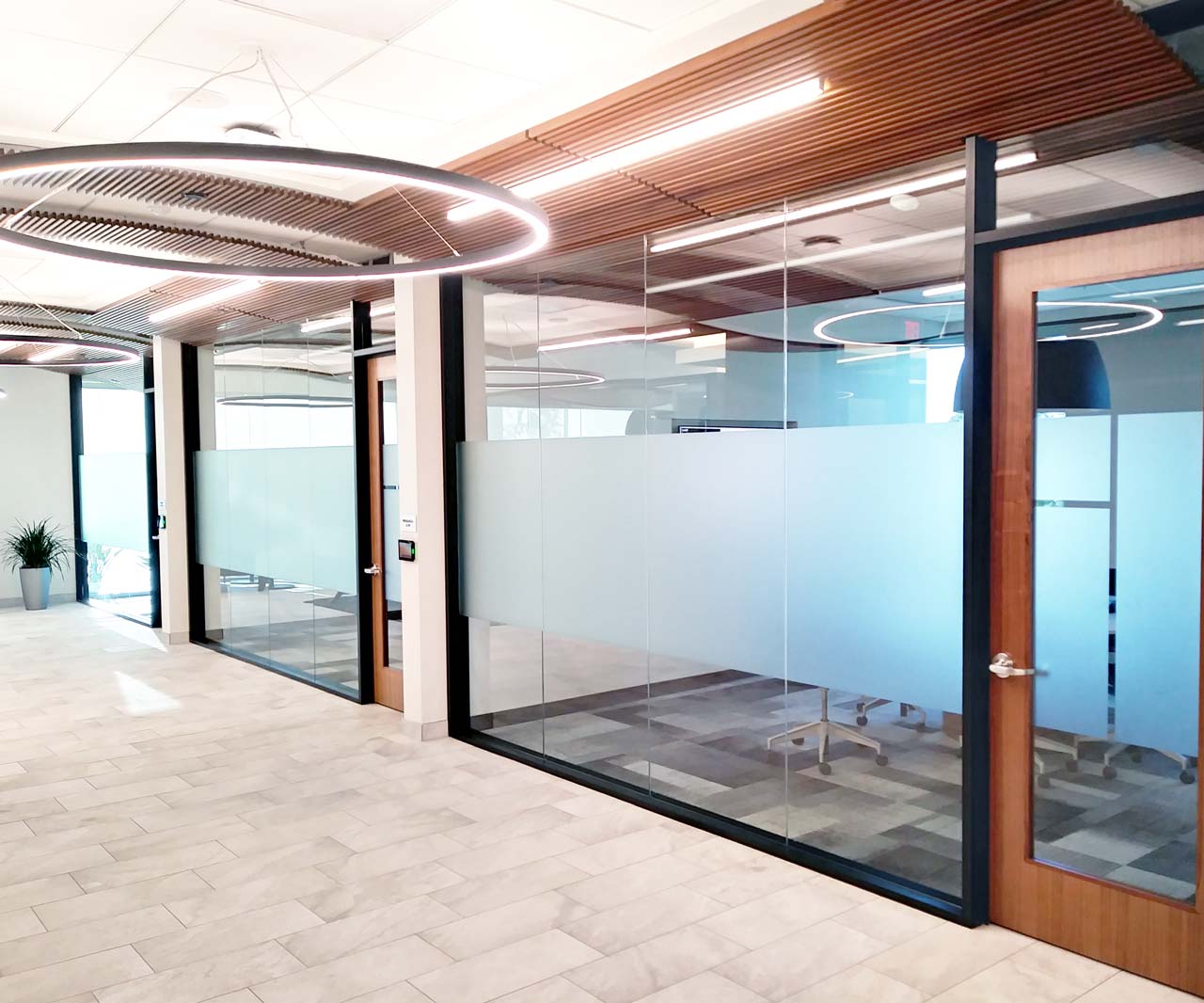
A diffused glass finish for privacy, partitions and custom patterns. Choose the opacity and design with a sample.
Explore the filmComplimentary site consultation.
A written estimate before you decide.