
Forced-entry resistance
Tested to ASTM F3561 and EN 356. Delays smash-and-grab and targeted intrusion long enough for your alarm and response team to close the gap.
A second layer of glass that's almost invisible and engineered to hold the pane together when everything else fails.
Anti-shattering film bonds to the inside face of your existing glass and turns a brittle single pane into a laminated, impact-resistant barrier. It's the same technology used on embassies, retail flagships, and principal residences, and we install it without replacing a single window.
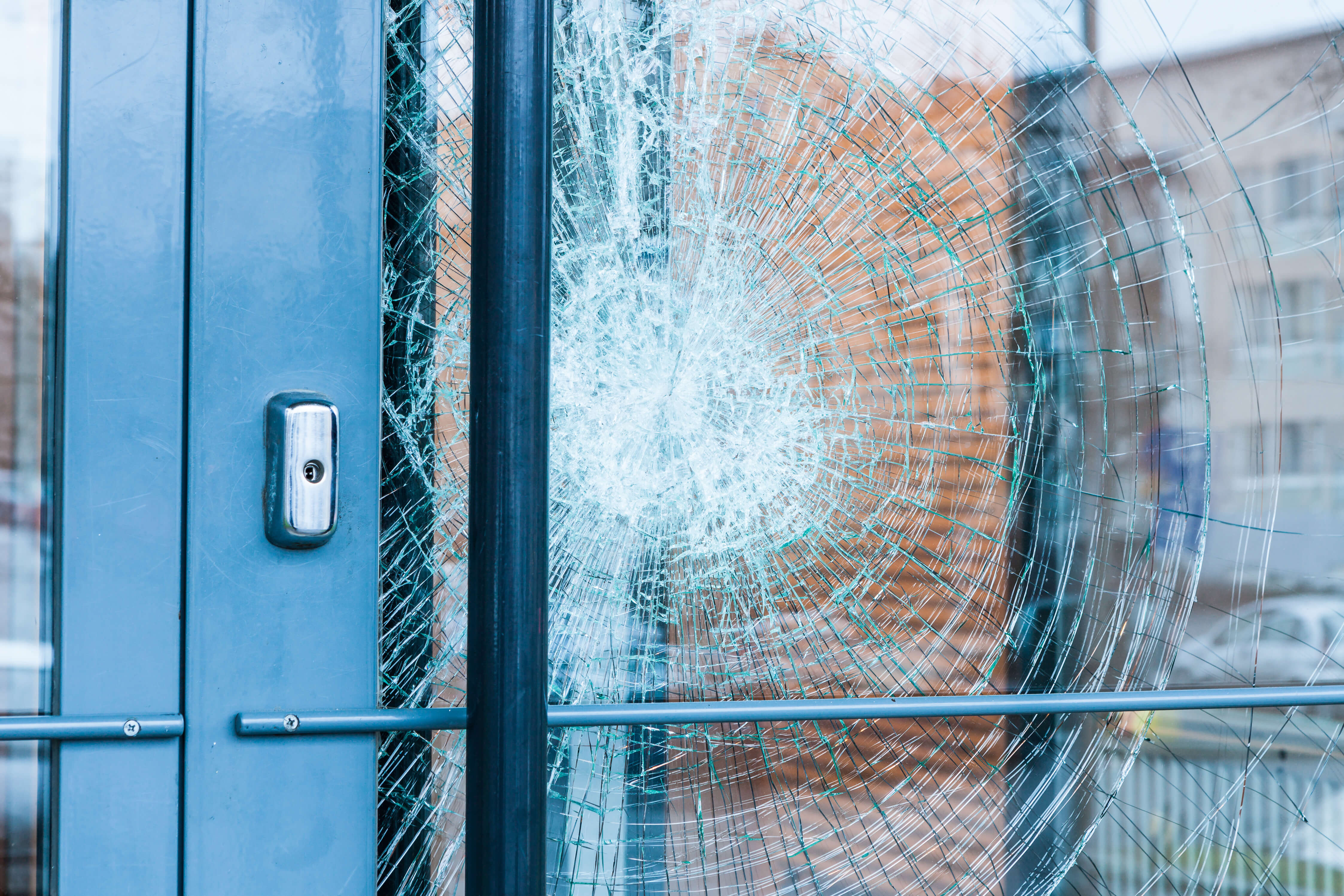
Tested to ASTM F3561 and EN 356. Delays smash-and-grab and targeted intrusion long enough for your alarm and response team to close the gap.
Keeps glass in the frame when wind-borne debris hits, reducing the risk of envelope breach and the catastrophic damage that follows.
Paired with a wet-glaze or daylight attachment system, holds the pane together through significant overpressure events. Tested to GSA-TS01 and ASTM F1642 hazard ratings.
Compare options with us.
Final suitability and warranty terms are confirmed in your quote.
Our interior standard. A multi-ply optically clear security laminate with the heaviest break strength we install, specified for the highest forced-entry and impact performance.
The only Madico security film rated for exterior application. Its weatherable acrylate adhesive and abrasion-resistant hardcoat give it the durability to survive outdoors. Properties the 14-mil doesn't have. We spec it when the interior face of a pane is obstructed (fixtures, millwork, or permanent glazing stops), or as the outer layer in a paired install (14-mil interior + 8-mil exterior) for the strongest combined barrier.
Manufacturer's limited lifetime warranty for interior residential; 10-year commercial.
Sometimes. The OIR-B1-1802 wind mitigation form rarely credits film on its own. Paired with existing impact glazing or with frame-anchoring hardware, the picture changes. We document the install and hand you everything your inspector and carrier need. The final call is your insurer's, but we've seen meaningful premium reductions after film-plus-anchoring retrofits on older impact systems.
Select film-and-attachment systems we install carry current Miami-Dade County NOAs. Which system qualifies depends on the frame, the glazing, and the threat target. We'll confirm the NOA status in writing during specification if your GC or inspector asks for it.
No. Anti-shattering film turns a single pane of glass into a laminated barrier that holds the shards together during impact, blast, or forced entry. It buys you a lot of time, but it's not a ballistic solution. For actual ballistic protection we'd spec glass-clad polycarbonate, not film.
From your first call to a firm quote is typically within one week. Once the quote is approved we can usually schedule the install within two weeks. Most jobs run one to two days on site with a crew of one or two, depending on pane count and complexity. After installation there is a ninety-day glazing period during which the film fully cures.
That's the moisture cure and it's completely normal. A small amount of installation water remains trapped in the adhesive layer and has to evaporate out through the film. You may see haze or small optical pockets for the first few weeks. Typical cure is thirty to forty-five days and can run up to ninety days depending on temperature, humidity, and how much sun the glass gets. If anything persists past ninety days, call us and we'll come look.
In nearly every case, no. The films we install are engineered to be compatible with laminated impact glazing. If your glazing is under an active manufacturer warranty, we'll confirm compatibility in writing with them before we start.
The 14-mil is our interior standard. 325 lb/in break strength. Our heaviest spec, specified for the highest forced-entry, impact, and blast performance. The 8-mil is Madico's exterior-rated film. The only thickness with the weatherable acrylate adhesive and abrasion-resistant hardcoat required to survive outdoor application. We spec the 8-mil when the interior of a pane is obstructed and only an exterior install is possible, or as the outer layer in a paired install (14-mil interior + 8-mil exterior) for the strongest combined barrier. For interior-only work, 14-mil is the default.
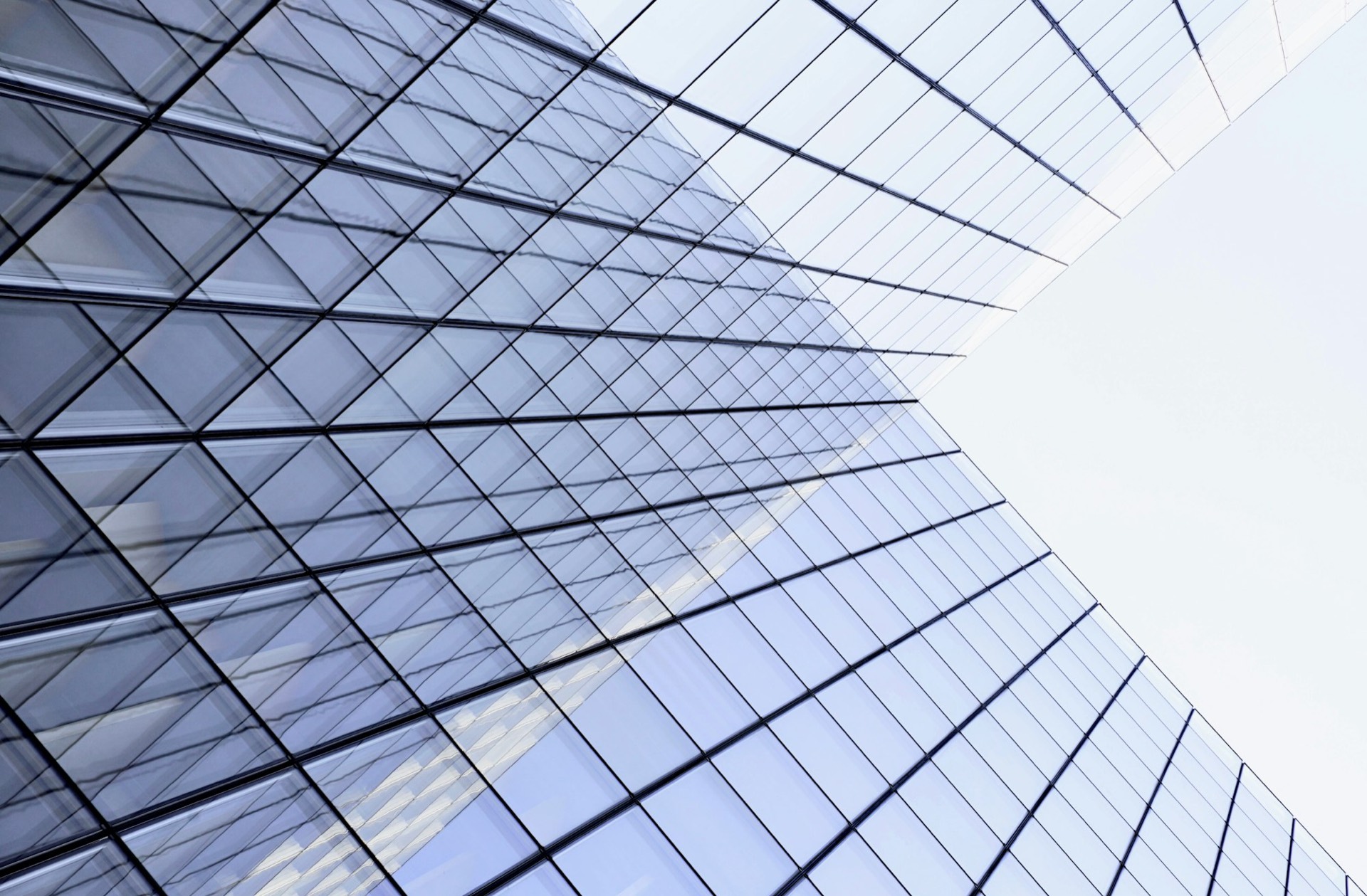
Manage glare, heat and daytime visibility with Solar Gard TrueVue and exterior Sentinel options.
Explore the film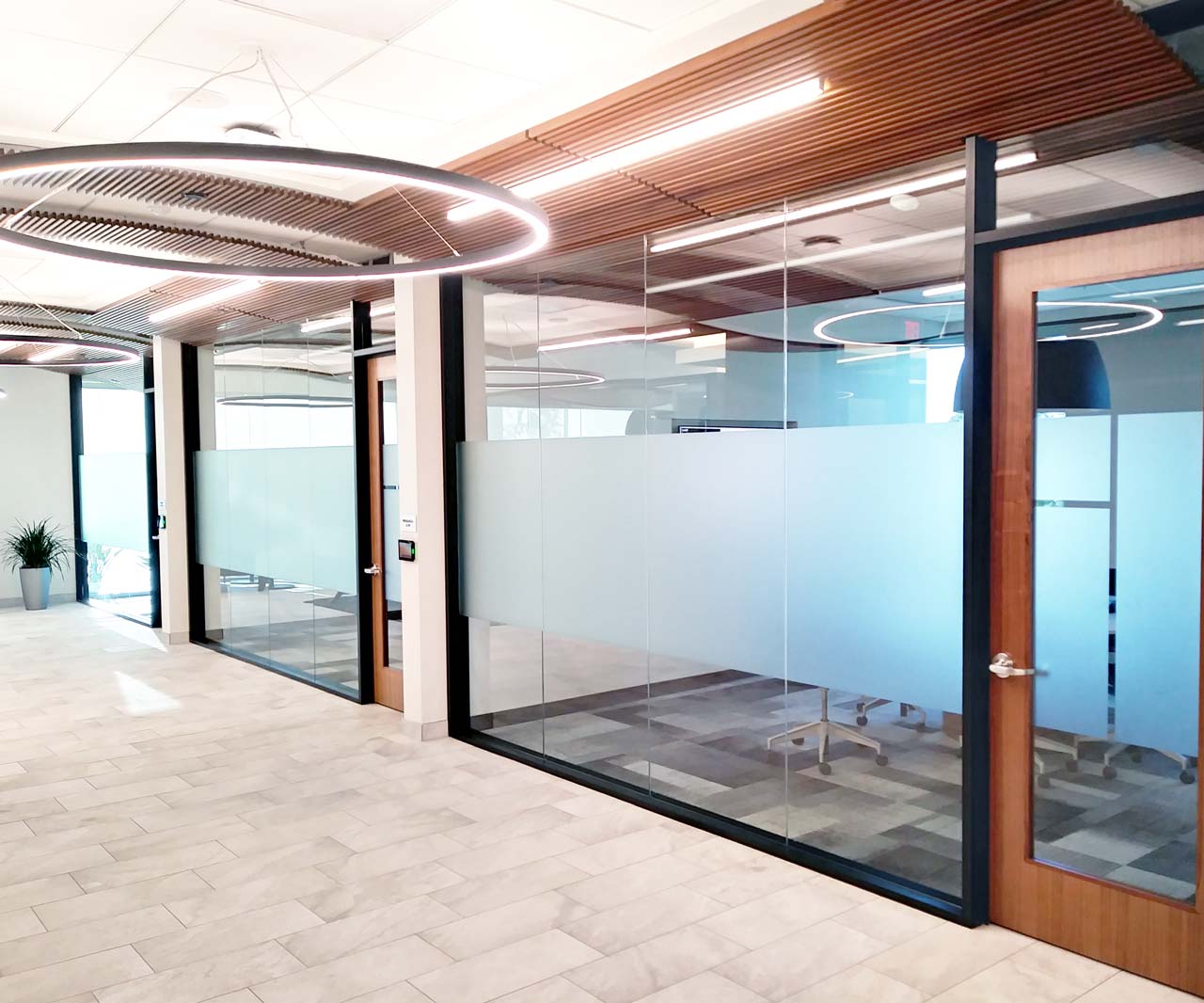
A diffused glass finish for privacy, partitions and custom patterns. Choose the opacity and design with a sample.
Explore the film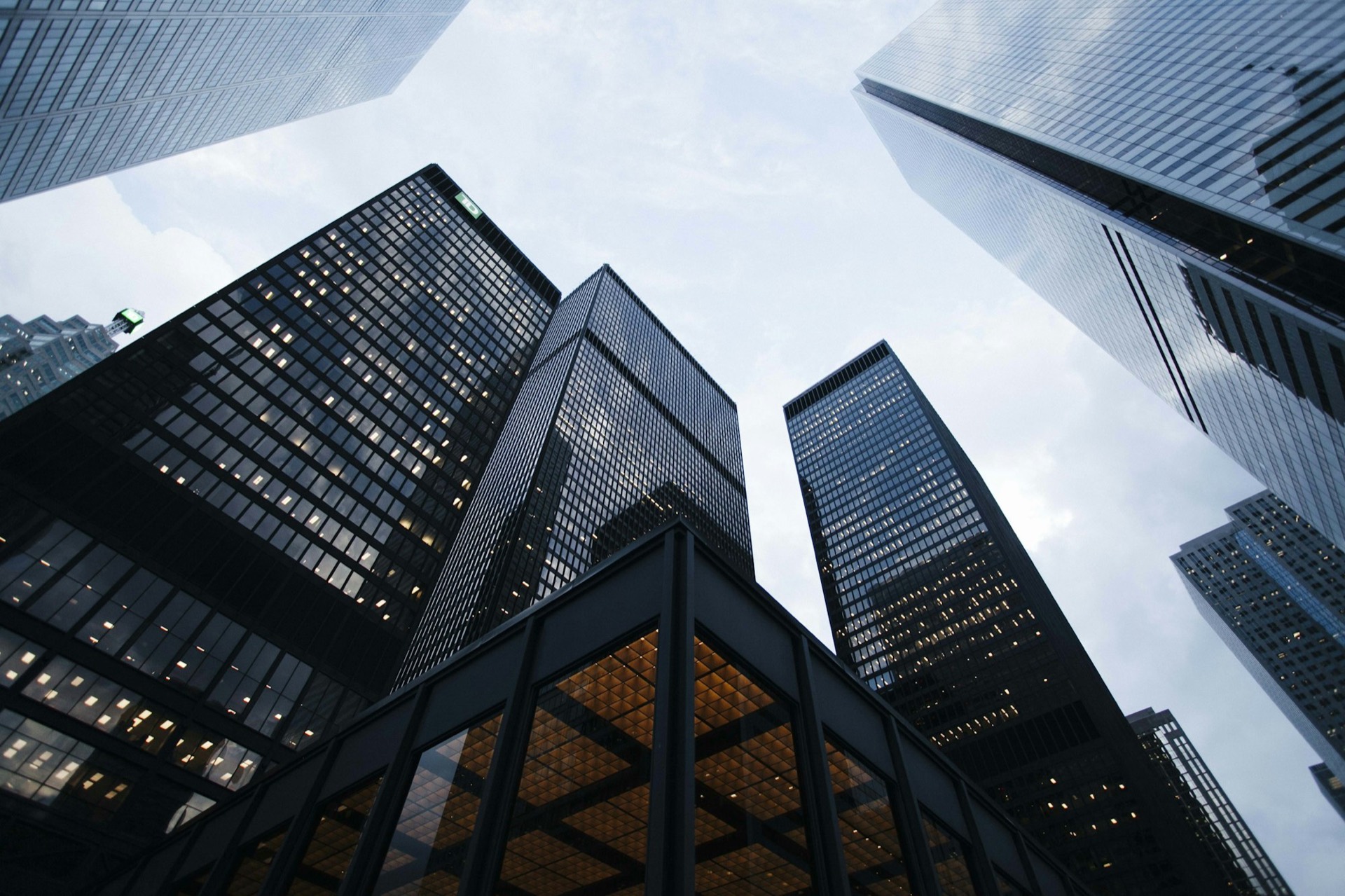
A cooler, more comfortable space starts with the right glass specification. Compare TrueVue, PureVue Ceramic and Sentinel options.
Explore the filmComplimentary site consultation.
A written estimate before you decide.