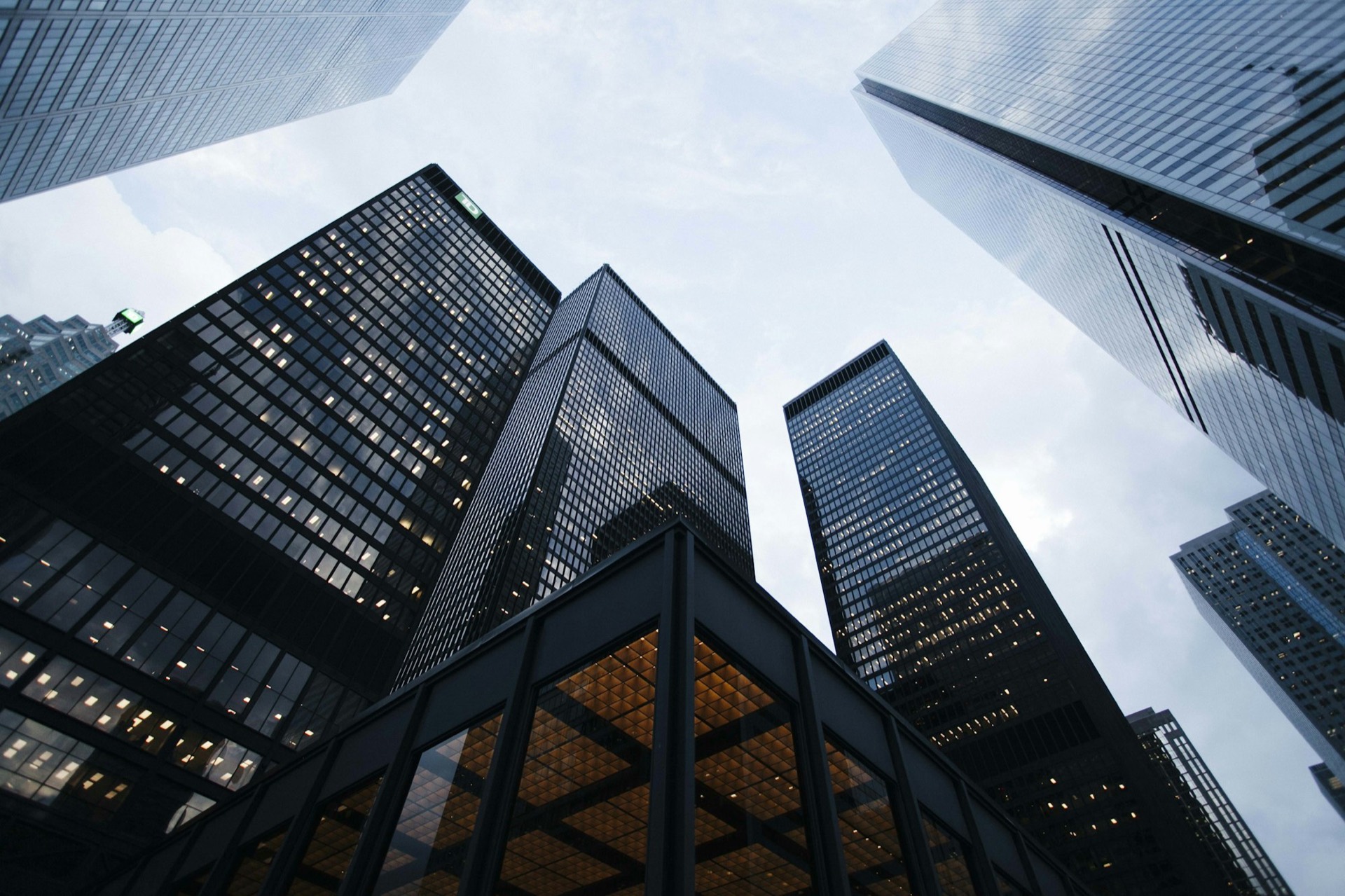
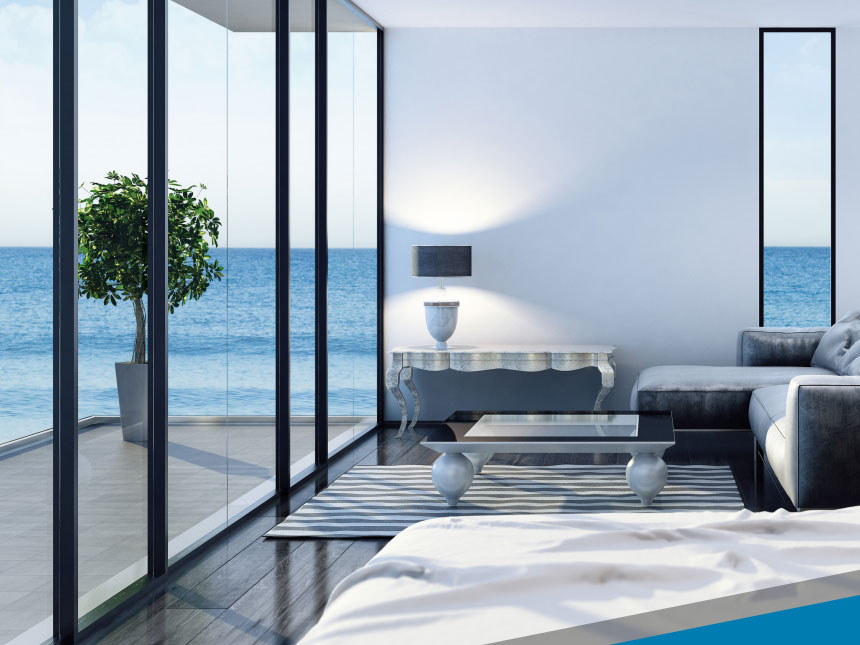
Doral sits in one of the hottest, most sun-exposed corners of Miami-Dade County, and the glass on its homes and offices pays for it every afternoon. Window tinting is the most direct fix for Doral property owners tired of overworked air conditioning, hot west-facing rooms, and furniture that fades by the season. Between the golf-course communities off NW 87th Avenue and the office parks along the Palmetto, most buildings here run wall-to-wall glass with full southern and western exposure. Professional window tinting cuts the solar heat gain driving those cooling bills without changing your view or replacing a single pane.
Here is what Doral homeowners and business owners should know.
Why Doral glass runs so hot
Doral has almost no natural shade. The neighborhoods are newer, the trees are young, and the commercial corridors are open pavement and reflective facades. Glass takes direct sun for most of the day, and afternoon sun from the west is the worst of it.
Unfilmed 6mm clear glass has a solar heat gain coefficient (SHGC) around 0.73, meaning it lets in roughly 73 percent of the sun's heat energy. In a Doral summer, that load turns west and south-facing rooms into heat traps and forces your air conditioning to run nearly nonstop. The result is uneven temperatures room to room, high electric bills, and finishes that fade fast.
What window tinting does for a Doral home
A quality heat rejection film attacks the heat at the glass before it enters the room. Our heat rejection film drops SHGC from 0.73 to as low as 0.21, the single largest thermal improvement available without replacing your windows. Most Doral homeowners see 20 to 35 percent lower cooling costs on treated elevations, with the biggest gains on west and south-facing glass.
Tinting also protects what is inside. Our listed Solar Gard TrueVue and PureVue films block more than 99 percent of UV light in the manufacturer’s 300–380 nm range, the primary cause of fading in hardwood floors, leather, art, and cabinetry. UV is invisible and relentless in Miami-Dade, and standard glass does almost nothing to stop it. Our UV protection film takes this further with a near-clear construction for owners who want fade protection without a darker look.
Glare is the third problem tinting solves. Afternoon sun off neighboring rooftops and the golf course makes screens and televisions hard to see. Film cuts that glare while keeping the view, so you are not choosing between an open window and a usable room.
Window tinting for Doral offices and commercial buildings
Doral is a business hub, with corporate parks, showrooms, and logistics offices near Miami International Airport. Commercial glass here is a thermal liability and a comfort complaint waiting to happen.
For office buildings, commercial window tinting delivers the same heat and glare control at scale. West-facing conference rooms and open floor plans that bake by 2 p.m. become usable again. Lower solar load also eases strain on rooftop air conditioning units, which extends equipment life and smooths out hot and cold zones across a floor.
For ground-floor offices and retail with street exposure, tinting pairs naturally with daytime privacy and security. Our privacy tints block sightlines into lobbies and offices during the day while preserving the outbound view. Where forced entry is a concern, anti-shattering film holds the glass in the frame under impact, buying the minutes that defeat most smash-and-grab attempts.
Choosing the right tint for your glass
The right film depends on your glass, your exposure, and your goal. A few specifics matter in Doral.
Visible light transmission (VLT). This is how much visible light the film lets through. A lighter film at 35 to 50 percent VLT keeps interiors bright while still cutting heat. A darker film at 15 to 20 percent VLT adds more privacy and glare control. Most residential jobs land in the lighter range, while offices often go darker on west glass.
Ceramic versus dyed film. Ceramic films reject more heat without the fading or signal interference of cheaper dyed films, and they hold their color for years. For a Doral install meant to last, ceramic is the right call.
Insulated and impact glass. Many newer Doral homes and offices already have dual-pane or impact glass. Film is still compatible, but the film type must match the glazing to avoid thermal stress. We confirm compatibility in writing before any install.
What to expect from a professional install
A residential window tinting job in Doral usually runs one to two days on site, depending on pane count. We measure every window, document the glazing type, and recommend a film by elevation rather than tinting everything the same. Commercial jobs are scheduled around business hours to limit disruption.
After installation, film needs a 30 to 90 day cure while the adhesive releases moisture. Light haze or small water pockets in the first few weeks are normal and clear on their own. Most residential films carry a manufacturer warranty of around 15 years, and ceramic films routinely last the life of the glass with proper care.
Frequently asked questions
How much does window tinting cost in Doral?
Residential window tinting in Doral typically runs a few dollars to several dollars per square foot installed, depending on film type. Ceramic heat rejection film costs more than basic dyed film but rejects more heat and lasts far longer. We price every job by pane count and film spec after walking your glass.
Will window tinting make my rooms too dark?
No. Modern films reject heat without heavy darkening. Light films at 35 to 50 percent VLT cut solar heat and glare while keeping interiors bright. We match VLT to each elevation so the north side stays clear and the west side gets more protection.
Does window tinting really lower my electric bill?
Yes, on sun-exposed glass. By dropping SHGC from 0.73 to as low as 0.21, heat rejection film reduces the cooling load on your most exposed windows. Doral homeowners commonly see 20 to 35 percent savings on treated elevations during peak summer months.
Can I tint impact or dual-pane windows?
Usually yes, but the film must be matched to the glass to prevent thermal stress. Impact glass protects against breakage, not heat or UV, so a solar or UV film adds real value. We confirm compatibility with your glazing before starting work.
How long does window tinting last in South Florida?
Quality interior film on residential glass lasts 12 to 20 years in Miami-Dade. Ceramic films sit at the top of that range. Heat, UV intensity, and salt air shorten the life of cheaper films, which is why we specify ceramic for Doral installs.
If your Doral home or office is fighting afternoon heat, glare, and fading, contact Blackridge Film for a free consultation. You can also read more about our window film in Doral and how we spec each install by elevation. We serve Doral and the surrounding communities across Miami-Dade and Broward County, including Miami, Hialeah, and Fort Lauderdale.