On an oceanfront tower in Miami Beach, the hard part of a window film project is rarely the glass. It is the condo board. Before a single roll of film comes off the truck, most Collins Avenue associations require a unit owner to submit the film through architectural review and win written approval. As installers, we have carried this packet through boards from South Pointe to the North Beach oceanfront line, and the approval is where owners get stuck. Here is how the review works, what boards actually object to, and the exact film specification that clears a Miami Beach association review.
Why a condo board has a say over your glass at all
Your unit interior is yours. The glass facing the Atlantic is not entirely yours. In a Florida condominium, the exterior face of the window and the building envelope are common elements governed by the association. A film applied to the interior surface still changes how that pane reads from the street and from the beach, and that appearance is exactly what the board is chartered to protect.
The governing document is usually the declaration of condominium, backed by an architectural or design review standard. On older Collins Avenue buildings the language can be decades old and vague, which means the board interprets it case by case. That discretion is why two owners in the same tower can get different answers, and why the film you specify matters more than the fact that you want film at all.
The uniform appearance rule, and why it drives everything
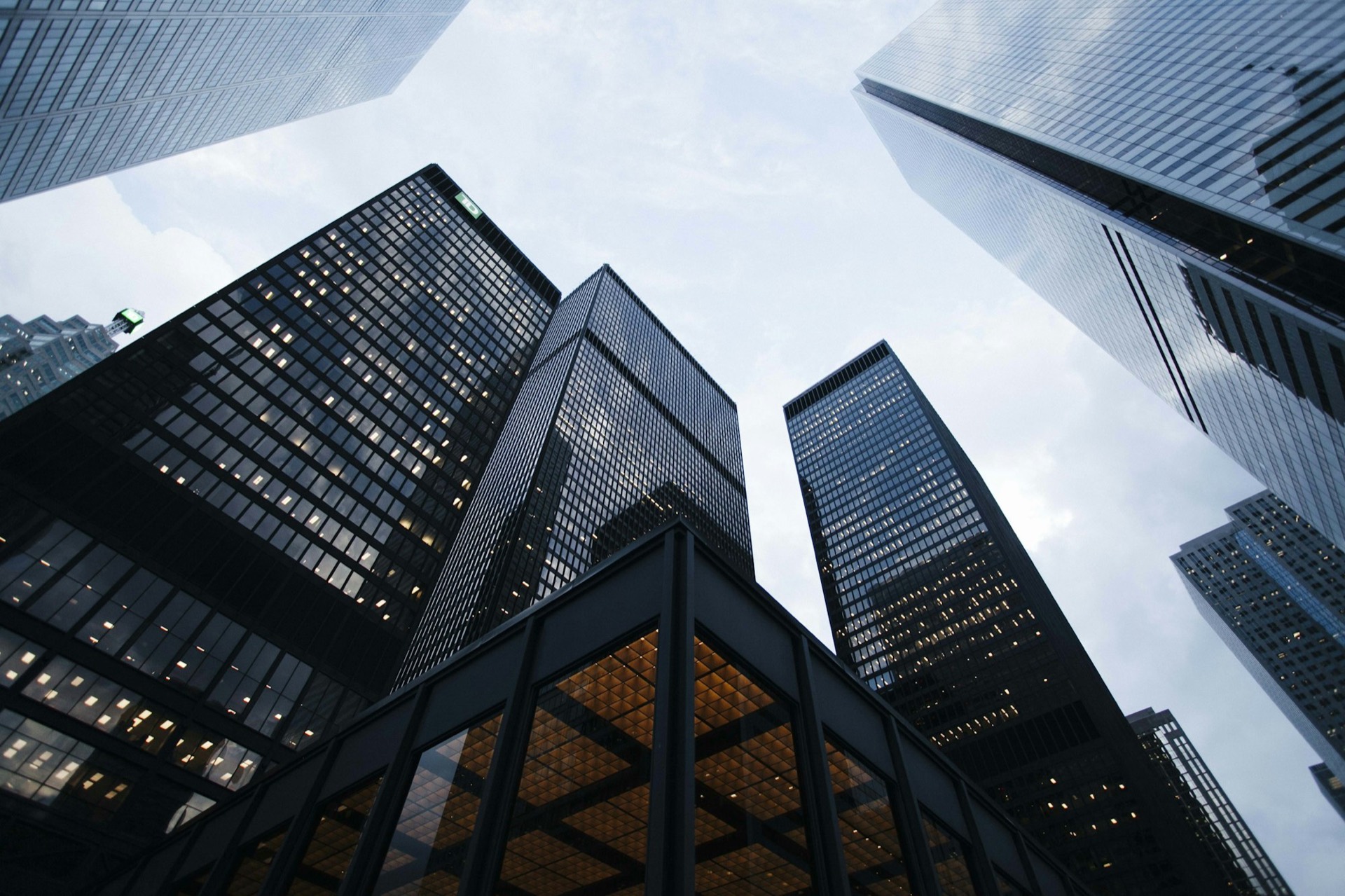
Walk the beach and look up at any well-run Miami Beach tower. Every window reads the same. That consistency is a deliberate association standard, and it is the single value a board weighs above comfort, energy savings, or your view. A film that turns your unit into a mirror on an otherwise neutral facade, or adds a bronze or blue cast to a wall of clear glass, breaks that line. Boards reject those on sight.
This is the core reason we steer Miami Beach owners toward neutral, low-reflectivity ceramic film. It reads as clear glass from the outside. It carries no strong mirror finish and no color shift. When a management company holds your submittal next to the building's existing glazing, the ceramic option disappears into the facade, which is precisely the outcome the reviewer is looking for. You can read more about how we approach that on the heat rejection film page, since the film that performs best inside is also the one that reviews cleanest outside.
Non-impact versus impact glazing in older Collins Avenue buildings
Many mid-century and 1970s to 1990s buildings on the oceanfront were built with non-impact, monolithic glass. That detail changes the review in two ways.
First, it opens a safety conversation. On non-impact glazing, a board may welcome film that adds fragment retention, since it improves how the existing pane behaves in a storm without a full window replacement assessment the association is not ready to fund. Second, it constrains the film. Dark or absorptive film on thick monolithic glass in full oceanfront sun raises the risk of thermal stress fracture, and a cautious board will ask about it. We address this in the submittal by matching film absorption to the glass type, so the review does not stall on a thermal question we can answer up front.
If your building has already retrofitted to impact glass, the review shifts again. Impact glazing protects the pane but does little for solar heat, so owners layer a solar film over it. In that case the board's concern returns almost entirely to appearance, and the neutral ceramic spec carries the day.
What a unit owner actually submits
A Miami Beach architectural review packet is not complicated once you know what the reviewer needs to see. For the projects we support, the submittal includes:
- The manufacturer film specification sheet, naming the exact product line
- Visible light transmission, since boards want the interior reading close to the existing glass
- Exterior visible reflectance, the number that proves the film will not mirror the facade
- A physical film sample or a glass sample chip the board can hold against a window
- The manufacturer warranty documentation, typically a 15-year residential warranty
- Confirmation that all work is performed from inside the unit, with no exterior access, scaffolding, or facade alteration
We prepare that package so the owner hands the management company a complete file rather than a request the board has to chase. A clean submittal is the difference between approval at the next monthly meeting and a project that drifts a quarter waiting on missing numbers.
The film boards approve, and the specs behind it
The film that consistently clears Miami Beach review is a neutral spectrally selective ceramic. It rejects heat through the coating chemistry rather than through a dark or mirrored surface, which is what lets it stay visually quiet.
On the numbers a board cares about, that film can hold a high 70 percent VLT so the glass still reads clear from inside and out, while a mid-range option near 35 percent VLT gives a west-facing oceanfront wall real glare control without going dark. Exterior reflectance stays low, close to that of the untreated glass, which is the figure that satisfies the uniform-appearance standard. On performance, the same film pulls solar heat gain down substantially from the roughly 0.73 SHGC of bare clear glass, so the approved-looking option is also the one that actually cools the unit. For the fading side of the conversation with your board, our UV protection film blocks essentially all UV while staying optically clear, a point that reassures owners protecting art and finishes behind that glass.
Salt air and oceanfront durability
A board that has been burned by a peeling, purpling film job on a prior owner's unit will scrutinize durability, and they are right to. Oceanfront Miami Beach is a punishing install environment. Salt-laden air, doubled UV load reflecting off the water, and constant humidity break down weak adhesives and low-grade films within a few years, and a failed film on a visible facade is exactly the appearance problem the board exists to prevent.
We specify marine-grade adhesive systems and manufacturer-warranted ceramic film for oceanfront elevations for that reason. Documenting the warranty and the adhesive in the submittal does double duty. It reassures the board the facade will still look uniform in year ten, and it gives the owner recourse if it does not.
Frequently asked questions
Do I need board approval to put film on my own unit's windows?
On almost every Miami Beach oceanfront tower, yes. The exterior face of the glass is a common element governed by the association, so even interior-applied film runs through architectural review. Get written approval before scheduling. We build the submittal packet so your management company has everything the board needs in one file.
Why do boards reject some window film?
Almost always appearance. A mirrored or color-tinted film breaks the uniform look of the facade that the association is chartered to protect. Neutral, low-reflectivity ceramic film reads as clear glass from the street and is the type boards routinely approve.
My building has older non-impact glass. Does that change the approval?
It can help and it adds one check. Boards often view fragment-retention film on non-impact glass favorably as a storm improvement. The added check is thermal stress, since dark film on thick monolithic glass in full sun carries fracture risk. We match film absorption to your glass type and note it in the submittal so the review does not stall.
How long does the approval take?
That depends on your board's meeting schedule, not on the film. Most associations review at a monthly meeting. A complete packet with the spec sheet, VLT, exterior reflectance, sample, and warranty tends to clear on the first pass, while a missing number pushes you to the next cycle.
If you own a unit on the Miami Beach oceanfront and want film that both cools the space and clears your board, contact Blackridge Film for a free consultation and a review-ready submittal. Learn more about window film in Miami Beach, and see how the film that reviews cleanest also performs on heat rejection across South Florida.