
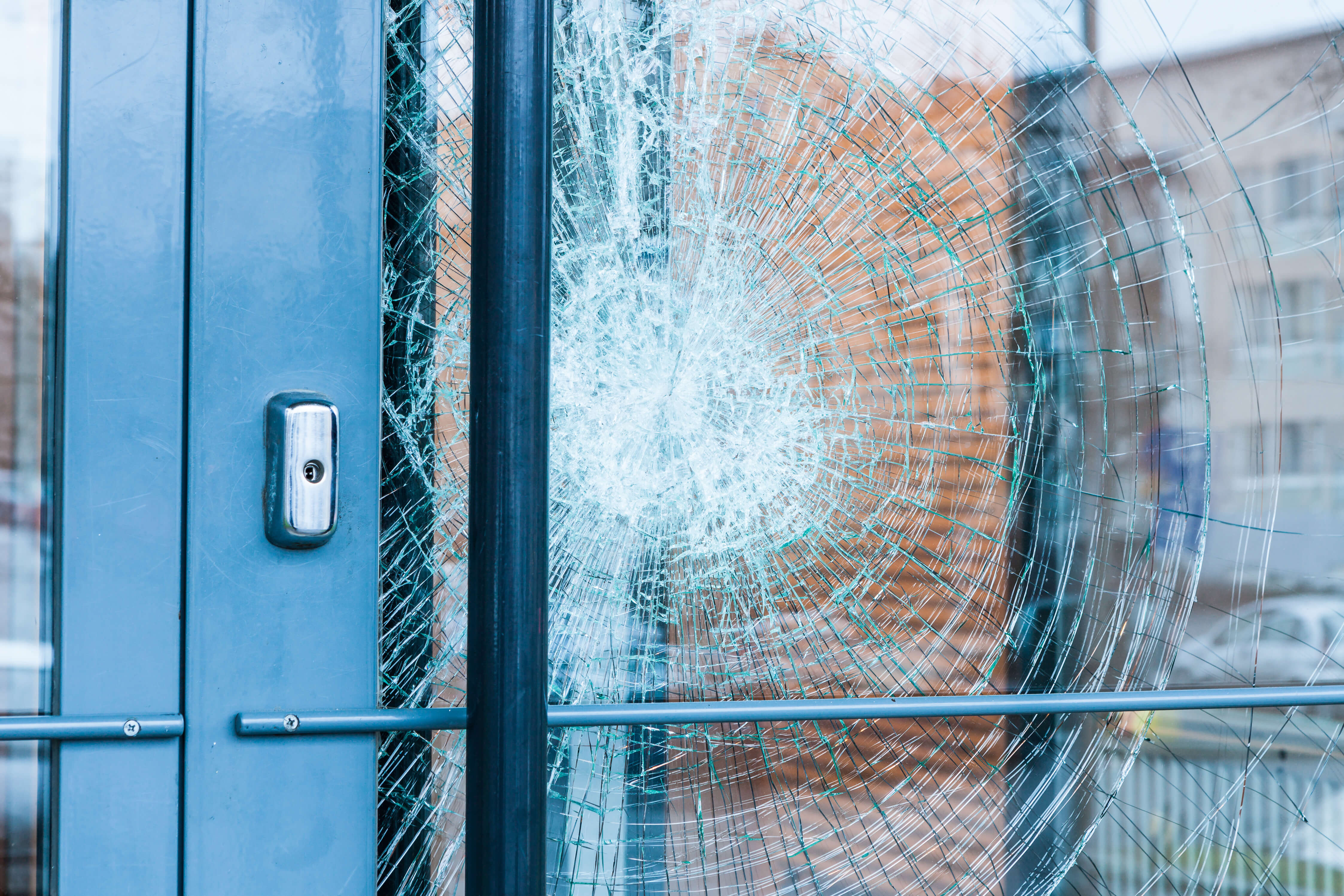
Security window film can help hold broken glass together and, in a suitable tested system, may help delay forced entry through a storefront. It cannot guarantee that an intruder stays out. The film, existing glass, frame, and any attachment system need to be considered together.
For a South Florida shop owner, the useful question is what a proposed installation can reasonably do on your actual windows. This guide covers the questions to ask before comparing quotes, including how to keep displays visible and plan work around opening hours.
Updated October 15, 2026.
What does security film do for a retail storefront?
Safety and anti-shattering film bonds to glass and can help retain fragments when it breaks. Glass retention and resistance to entry are different performance questions. A product's ability to hold fragments together does not establish how long a person will take to get through a particular window.
There is no universal break-in delay for a film thickness. Any claim about seconds or minutes needs a test report for the relevant glass, film, attachment, and frame configuration, along with the test conditions. Actual incidents can differ from laboratory tests.
Treat film as one part of a security plan that also considers doors, locks, alarms, lighting, and response procedures. For higher-risk premises, involve a qualified security professional in defining the protection you need.
Why does the frame attachment matter?
Film bonded to glass does not automatically anchor the broken pane to the surrounding frame. Some systems use a specified sealant or mechanical attachment to connect the filmed glass to the framing. Whether that is suitable depends on the product instructions and the existing storefront.
As a manufacturer example, 3M's Scotchshield Security Window Film documentation requires its specified attachment sealant for break-and-entry applications. It also states that the film is not bulletproof and is not designed to stop intruders. Those requirements apply to that product; they are not a specification for every film or a statement that Blackridge installs that brand.
Ask the installer to identify the proposed attachment method, whether your frame is suitable, and how the installation matches the supporting test documentation. An attachment system should not be treated as a guarantee that a pane will stay in place under every impact.
Is thicker security film always better?
Thickness is only one part of the specification. A thicker product alone does not establish better performance on your storefront. Glass type and thickness, pane dimensions, frame condition, attachment, and installation requirements also matter.
When reviewing a recommendation, ask:
- What exact film product and attachment system are included?
- What was tested, and what performance did that test demonstrate?
- How closely does the tested assembly match our existing glazing?
- What limitations or differences should we understand?
- Is the proposal for glass-fragment retention, forced-entry delay, or another stated purpose?
A test-standard name without the report, configuration, and result is not enough to compare two proposals.
Will it make the storefront dark or reflective?
Appearance varies by product. Ask to see a sample on the existing glass, then view it from inside and from the sidewalk. Check merchandise, signs, and sightlines during trading hours and after dark.
If afternoon heat or glare is also a problem, compare the proposed product's solar performance with a dedicated heat rejection film. Do not assume that a clear safety film provides substantial heat rejection simply because it is sold for security.
UV reduction can help address one cause of merchandise fading, but film cannot eliminate fading. Visible light, heat, and material sensitivity also contribute. The International Window Film Association's FAQs explain these limits and the importance of matching film to the glass.
For a broader comparison of business applications, see our commercial window tinting guide.
Does security film replace hurricane protection?
No. Applying film does not make an ordinary storefront hurricane-proof or automatically make it an impact-rated glazing system. The IWFA's hurricane guidance explains that film does not eliminate the risk of glass breakage, frame failure, water intrusion, or structural damage.
If storm protection is part of the project, ask for documentation specific to the complete proposed assembly. Confirm requirements for your property with the applicable local authority and qualified project professionals. Do not remove existing required protection based on a film-only claim.
Can film be installed on the glass we already have?
The existing glazing needs to be identified before selecting a product. Tempered, laminated, insulated, low-E, and impact-rated glass can require different assessments. Existing film, coatings, damaged seals, and frame condition also need to be considered.
Ask for the manufacturer's film-to-glass guidance and confirm how installation affects the existing glazing warranty. For leased premises, obtain written approval from the landlord or property manager before work begins. Include any exterior-appearance rules in the quote request.
How much does retail security film cost?
Blackridge Film's minimum job is typically $600 depending on distance. Pricing varies with the size, product, and complexity of the job. That is a general minimum, not a quoted price for a complete storefront security system.
The estimate should account for pane sizes and quantities, film removal, preparation, access, and any specified attachment work. Scheduling around customers or inventory may also affect the scope. Our South Florida window film cost guide explains how to compare estimates without relying on an unsupported per-square-foot price.
What should the installation quote include?
Request a written scope before booking. It should identify the exact film and attachment products, the panes included, preparation or removal work, and the documentation supporting any performance claim.
Also confirm:
- Access and timing: Which displays or equipment need moving, whether areas must close, and whether your preferred installation hours are available.
- Drying and care: Product-specific drying expectations, cleaning instructions, and when to report an appearance concern.
- Warranty: The written commercial-use terms, duration, exclusions, and who handles a claim. Confirm whether film, labor, attachment, glass breakage, or seal failure are covered.
- Insurance: If a discount or coverage change matters to the decision, get confirmation directly from your insurer before relying on it.
Installation and drying times vary by system and site conditions. A film warranty is not a guarantee against burglary or storm damage.
Get an estimate for your South Florida storefront
Blackridge Film is based in Hollywood and serves Miami-Dade, Broward, and Palm Beach counties. Send photos of the storefront, the property location, approximate pane dimensions, and your main concern. Include any known glazing details, landlord requirements, and access restrictions.
Request a commercial estimate for your storefront. We can discuss the project and the information needed to assess suitable film options.