
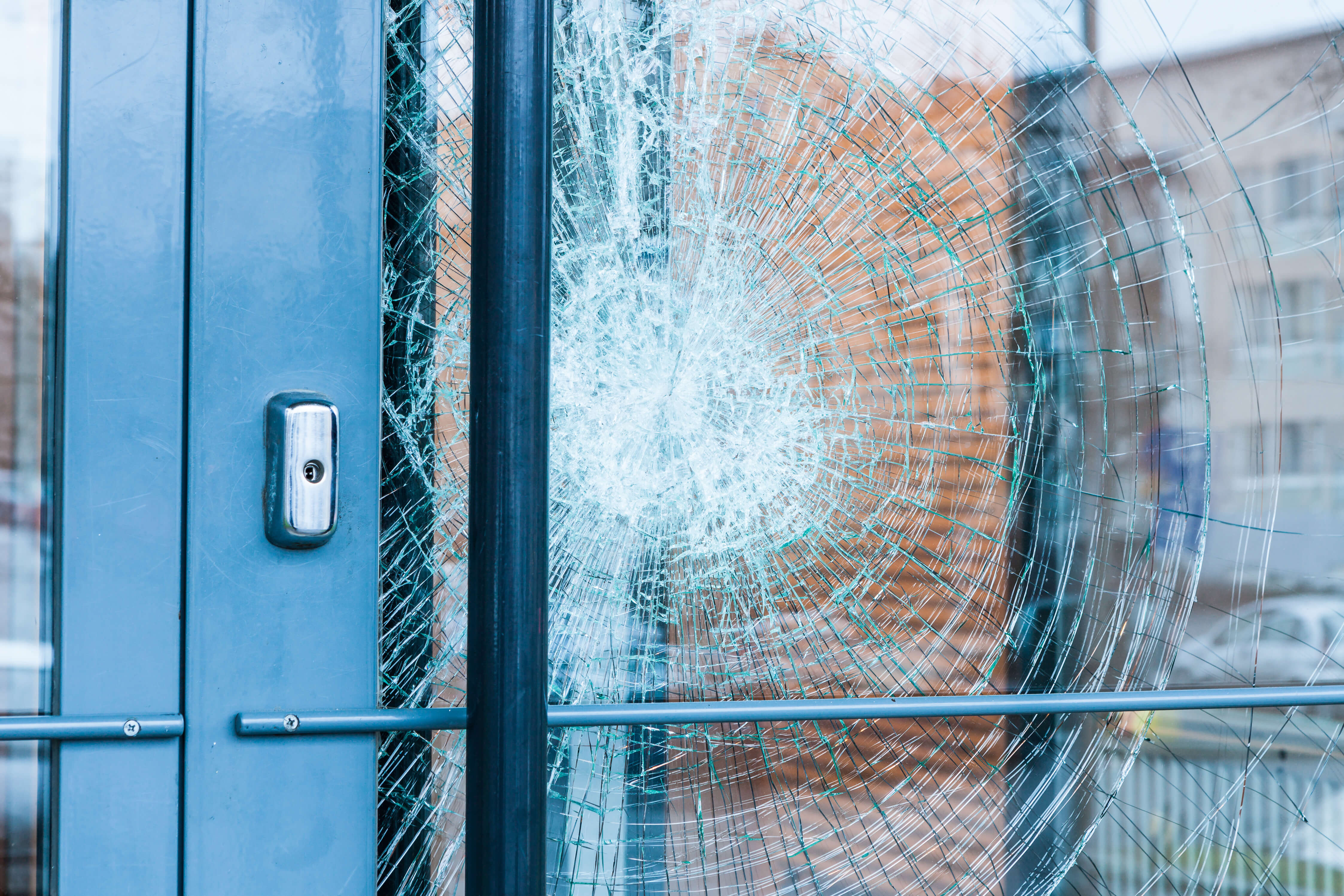
Pinecrest homes sit on wide lots wrapped in mature landscaping. That privacy is the draw, and it is also the problem. The dense hedges and tree canopy that screen your home from the street also screen a burglar working a window or a sliding door. Security window film for Pinecrest homes addresses the weakest part of that picture, the glass itself. Filmed panes hold together under impact instead of dropping out of the frame. The result is more time, more noise, and a harder target in a part of Miami-Dade County where homes carry real value.
Here is how the film works and where it matters most.
Why Pinecrest glass is the weak point
The typical Pinecrest home is a single-story or two-story house with a wide glass footprint. Sliding doors open to the pool. Picture windows face the yard. French doors open off the patio. Most of that glass is annealed or tempered, not laminated, and it offers almost no resistance to a determined break-in.
A burglar does not pick a lock when a pane is faster. One strike on an unfilmed slider and the glass is gone. The opening takes seconds. In a neighborhood where landscaping hides the approach, those seconds are all the cover an intruder needs.
Security film changes the math. It does not make glass unbreakable. It makes the glass stay in place after it breaks, which is a very different problem for someone trying to get through it quickly.
How security window film works
Anti-shattering security film is a thick polyester laminate bonded to the interior face of your glass with a pressure-sensitive adhesive. It runs from 4 to 12 mil thick, far heavier than a standard solar film. When the glass cracks, the film holds the fragments together as one sheet.
Two things give the film its strength.
Fragment retention. The adhesive bonds across the entire pane. When the glass breaks, the shards stay laminated to the film rather than scattering across the floor. The pane cracks but holds its shape in the frame.
Dwell time. A filmed pane takes measurably longer to punch through than bare glass. Our 8-mil security film is the residential standard, with a break strength near 200 pounds per inch. The 14-mil carries roughly 325 pounds per inch for higher threat profiles. Every added second of breach delay works against the intruder.
Forced-entry resistance you can measure
Good security film is tested, not just marketed. The films we install are rated to ASTM F3561 and EN 356 for forced-entry resistance. Those standards measure how the glazing assembly behaves under repeated impact, which is what an actual break-in looks like.
The film alone does most of the work, but the attachment system finishes it. On a sliding door or a large window, we can add an engineered frame-anchoring system that bonds the filmed pane to the frame. That stops the whole sheet from being pushed out of the opening after the glass fails. For ground-floor Pinecrest glass with yard access, that anchor is the difference between a delay and a defense. It is the same approach we bring to every window film in Pinecrest job on ground-floor glass.
Storm-season protection on the same pane
Miami-Dade County sits in one of the most storm-exposed corridors in the country. The same film that resists a pry bar also holds glass together against windborne debris during hurricane season.
Be clear on the law. In Florida, no film can be marketed as hurricane-proof or hurricane-resistant, and film is not a substitute for impact-rated glazing under the Florida Building Code. What film does is hold a cracked pane in the frame so the building envelope stays sealed longer. On non-impact glass, an 8 or 14 mil film paired with a frame anchor can carry a Miami-Dade County Notice of Acceptance, which documents the performance of the film and attachment as one assembly. That paperwork matters to inspectors and insurers.
Heat, glare, and UV on the same glass
Pinecrest glass takes full South Florida sun. Security film adds some heat control, but if comfort and energy cost are priorities, a dedicated solar layer does more.
A heat rejection film drops solar heat gain sharply. SHGC on bare 6mm clear glass runs about 0.73. A high-performance heat rejection film takes that down to 0.21, the largest thermal improvement available without replacing the glass. Most Miami-Dade homeowners see 20 to 40 percent off cooling costs on their most sun-exposed elevations.
A UV protection film blocks more than 99 percent of UV light in Solar Gard’s stated 300–380 nm range, the main driver of fading in hardwood floors, art, and upholstery. For glass that faces a neighbor or the street, a privacy tint adds daytime privacy without curtains. Each of these layers the security and comfort benefits you want onto the panes that need them.
What to expect from a Pinecrest installation
A residential walk-through takes about an hour. We measure every pane, note the glass type, and flag which windows are candidates for security film and which already carry impact glass that needs only a solar or UV upgrade.
A typical eight to twenty pane install runs one to two days on site. The film then needs a 30 to 90 day cure while the adhesive releases moisture. Light haze in the first weeks is normal and clears on its own. Most of our residential security and solar films carry a 15 year manufacturer warranty.
Frequently asked questions
Does security window film make my windows bulletproof?
No. Security film is engineered for forced-entry delay and fragment retention, not ballistic protection. It holds glass together under impact and buys time against a break-in. For ballistic needs you need a different and much thicker glazing system entirely.
Will security film stop a hurricane?
No film can be sold as hurricane-proof in Florida, and film does not replace impact windows. What it does is hold a broken pane in the frame so debris stays out and interior pressure does not spike. Paired with a frame anchor on non-impact glass, it can carry a Miami-Dade Notice of Acceptance.
Can I see through security film?
Yes. Standard security film is optically clear and does not change the look of your glass or your view. If you also want daytime privacy or heat control, we layer a tinted or reflective product to match that need.
How long does security film last on a Pinecrest home?
Properly installed interior security film typically lasts 12 to 20 years on residential glass. Most of our products carry a 15 year manufacturer warranty. Interior film is protected from the weather, so it ages slowly compared to exterior treatments.
Is the film installed inside or outside?
Inside. Security film is applied to the interior face of the glass so the adhesive bond and the frame anchor both work from within the room. That placement is what lets the film keep a shattered pane in the opening.
If your Pinecrest home hides its windows behind landscaping that also hides an intruder, contact Blackridge Film for a free consultation. We serve Pinecrest and the surrounding communities across Miami-Dade County, Broward County, and Palm Beach.