Key Biscayne living means glass that faces the ocean, the bay, or a neighbor a few feet away. The same floor-to-ceiling windows that frame Atlantic and Biscayne Bay views also leave living rooms, bedrooms, and pool decks exposed to anyone walking the beach or the street. Privacy window film for Key Biscayne homes fixes this without curtains, shutters, or a remodel. It lets you see out clearly through the day while cutting the sightline in. For island homeowners in Miami-Dade County who built their house around the view, keeping that view is the whole point.
Here is how the film works and what to specify for an oceanfront island home.
How daytime privacy film works
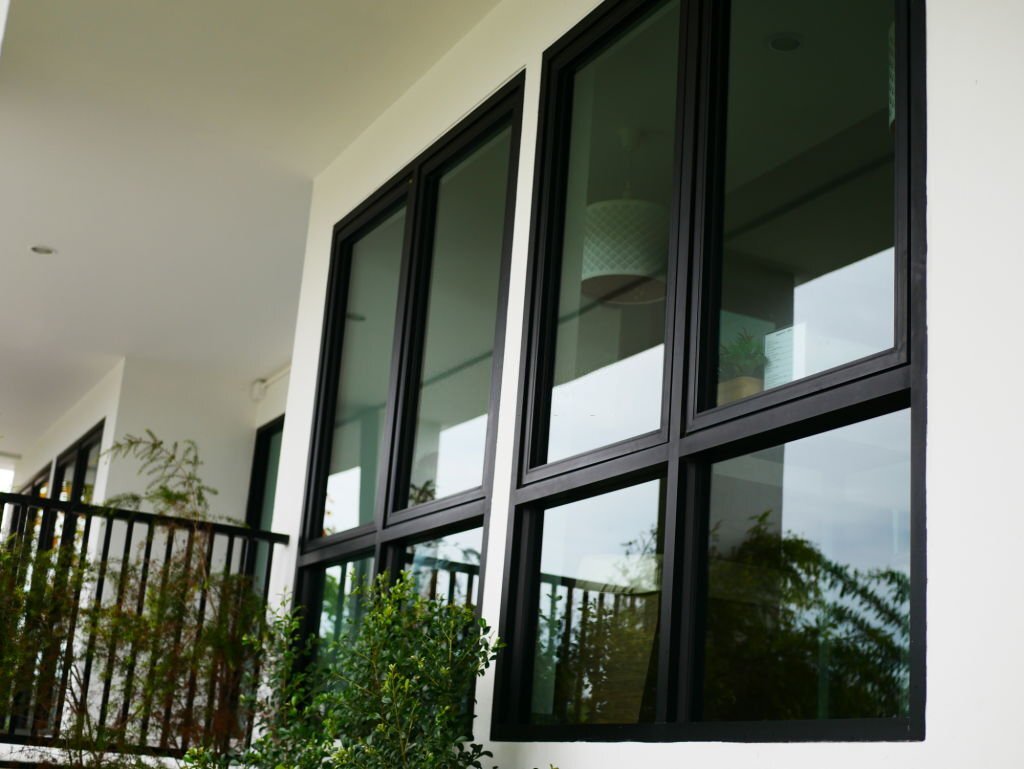
Daytime privacy film relies on a simple principle. People see through glass toward the brighter side. During the day the outdoors is far brighter than your interior, so a reflective or dual-reflective film turns the outer surface into a soft mirror. From the street or the sand, your window reads as a reflection of the sky. From inside, you still see out.
The strength of the effect is set by the film's visible light transmission (VLT). A film around 15 to 20 percent VLT gives strong daytime privacy while keeping the room usable. A lighter 35 percent VLT film preserves more brightness and view clarity with a more modest privacy gain. The lower the VLT, the stronger the mirror effect, and the darker the room.
This is the same daytime privacy approach we install across Miami, from reflective window film on Brickell balconies to street-facing glass in Coconut Grove and Coral Gables.
Privacy options for Key Biscayne glass
No single film is right for every window on a barrier-island home. We usually specify by room and by exposure.
Reflective and dual-reflective film is the workhorse for main living spaces, oceanfront glass, and pool-facing sliders. It delivers daytime privacy plus heat and UV control on the same pane.
Ceramic privacy tint is the choice when you want privacy without a strong mirror look. Our privacy tint line holds back sightlines and rejects heat while keeping a more neutral appearance from both sides.
Frosted film handles bathrooms, ground-floor windows, and glass entry panels where you want a permanent block. It obscures the view completely around the clock and gives a clean etched-glass look.
The salt and sun problem on a barrier island
Key Biscayne sits at full ocean exposure with no tree canopy and sun reflecting off the water. That doubles the load on your interior. UV radiation drives 40 to 60 percent of interior fading, and untreated glass passes it straight through onto hardwood, art, and upholstery.
Every privacy film we install blocks at least 99 percent of UVA and UVB. For collectors and homeowners with significant finishes, our UV protection film takes this further with a near-clear construction engineered for art and fine interiors.
Heat is the other half. The solar heat gain coefficient (SHGC) on unfilmed 6mm clear glass runs about 0.73. A high-performance heat rejection film drops that toward 0.21, which is the single largest thermal cut available without replacing the glass. Most island homes see 20 to 40 percent off cooling costs on their most sun-exposed elevations. A good privacy film carries much of this benefit on its own.
What about privacy at night
Be clear-eyed about this. Daytime reflective privacy reverses after dark. Once your interior lights are on and the outside is dark, the brighter side flips, and a reflective film alone will not hide a lit room.
There are real fixes. Frosted film blocks the view day and night, which is why we use it on bathrooms and lower-level glass. A heavier ceramic tint narrows the nighttime sightline more than a light film does. For oceanfront bedrooms where total nighttime privacy matters, we pair film with interior shades on those specific windows and reserve reflective film for the daytime living areas.
Choosing film for an oceanfront island home
Glass on Key Biscayne takes salt, sun, and wind that inland Miami-Dade homes never see. Specification matters.
We use professional-grade exterior or interior film matched to each pane, with adhesives and edge sealing rated for coastal exposure. Most of our residential privacy and solar films carry a manufacturer warranty of 15 years, and a properly installed interior film on residential glass typically lasts 12 to 20 years. We confirm compatibility in writing before applying any film over impact or laminated glazing so your window warranty stays intact.
The result is the view you bought the house for, minus the fishbowl, the fade, and a large share of the cooling bill. It is the balance we aim for on every window film in Key Biscayne project we take on.
Frequently asked questions
Will privacy film ruin my ocean view from inside?
No. A correctly specified film keeps the view clear from inside while blocking the view in from outside during the day. You choose the VLT to balance privacy and brightness, and we recommend a level based on the room and its exposure.
Does privacy window film work at night?
Reflective and tint films give daytime privacy, not nighttime privacy. After dark, a lit room is visible from outside. For full around-the-clock privacy on specific windows, we use frosted film or pair film with interior shades.
Can I put privacy film on impact windows in Key Biscayne?
Yes, in nearly every case. Impact glass is built for storm performance, not privacy, UV, or heat control. We confirm film compatibility with the glazing manufacturer in writing before installing so the impact rating and warranty are preserved.
How much heat will privacy film actually block?
A reflective or ceramic privacy film commonly rejects a large share of solar heat, cutting SHGC from around 0.73 toward 0.21 on high-performance products. Most Key Biscayne homeowners see 20 to 40 percent off cooling costs on treated, sun-exposed glass.
How long does the installation take?
A typical residential project runs one to two days on site depending on pane count. Film then needs a 30 to 90 day cure period, during which light haze or small water pockets are normal and resolve on their own.
If you want daytime privacy on your Key Biscayne home without giving up the view, contact Blackridge Film for a free consultation. We serve homeowners across Key Biscayne, Brickell, Coconut Grove, Coral Gables, and Miami-Dade County.