Window film for Hallandale Beach's oceanfront condo corridor, Gulfstream Park area, and Intracoastal residences.
Architectural window film for Hallandale Beach homes, buildings, and yachts. Privacy, protection, and performance — matched pane by pane.
Tints · Solar / UV · Security
Residential · Commercial · Yacht
Window film for Hallandale Beach, specified for what's actually here.
- —Broward County · South Florida
- —Hallandale Beach has full Atlantic exposure on its eastern face with virtually no inland buffering, the oceanfront condo corridor sits almost at the beach. Salt air and direct ocean UV are the baseline conditions for all oceanfront installations. The city's position on the Broward-Dade line means it experiences both counties' storm patterns.
- —Residential homes & condos
- —Commercial & office glass
- Gulfstream Park Racing & Casino
- Hallandale Beach Boardwalk
- Aventura adjacent corridor
What matters when specifying window film in Hallandale Beach.
Older Condo Tower Glass
Many of Hallandale Beach's oceanfront towers were built before modern thermal glass standards. Single-pane aluminum-frame windows are common in the 1970s–1990s building stock. Film provides the largest proportional performance improvement on these windows and is typically the only practical option for residents who cannot replace windows individually.

Direct Ocean Salt Air
Hallandale Beach's oceanfront towers are among the most salt-air-exposed addresses in South Florida. Marine-grade adhesive systems are mandatory here, and film construction should be rated for coastal exposure.
Commercial Gaming and Hospitality
Gulfstream Park's casino and adjacent entertainment complex includes significant glass surfaces. Commercial solar film reduces glare and heat gain in gaming and hospitality environments, improving guest comfort while lowering cooling costs.
The right film for Hallandale Beach's specific conditions.
Window film services for Hallandale Beach properties.
Anti-Shatter & Security Film
Holds glass in place after impact. Critical for South Florida hurricane season and forced-entry resistance. Select systems carry Miami-Dade NOA certification.
Solar Heat Rejection Film
Reduces HVAC load and blocks solar gain without sacrificing views. Spectrally selective options maintain natural light while cutting up to 79% of solar heat.
UV, Privacy & Frosted Film
Blocks 99% of UV radiation that bleaches interiors. Reflective, privacy, and frosted options for residential and commercial glass without full replacement.


Anti-Shattering Film
A second layer of glass that's almost invisible and engineered to hold the pane together when everything else fails.
Explore the FilmReflective Film
Reject the heat and the gaze of the street without losing the view. Dual-reflective technology tuned for coastal glass.
Explore the FilmFrosted Film
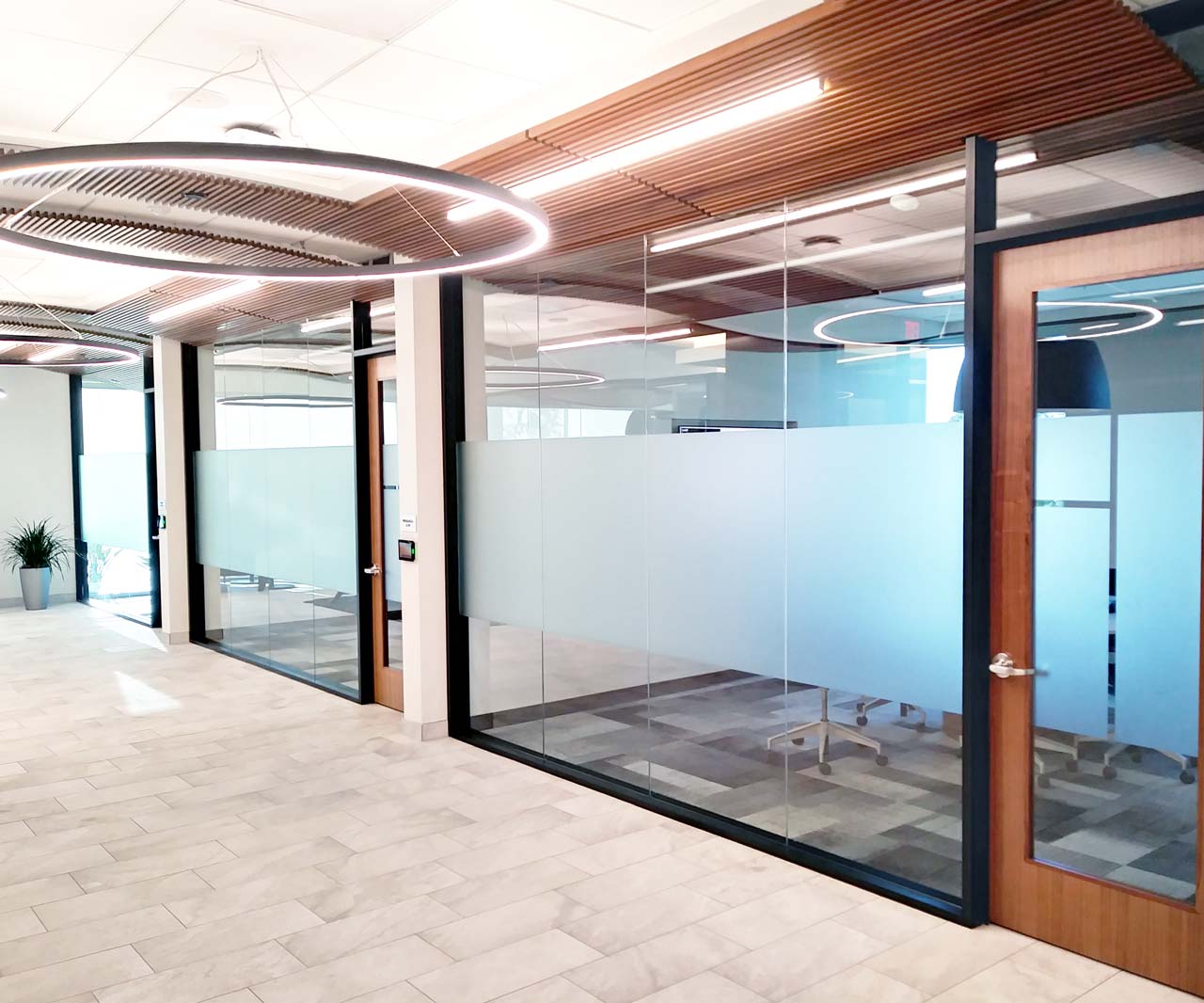
The look of acid-etched glass, professionally installed in a single visit, and custom-cut to the millimeter.
Explore the FilmHeat Rejection Film
The hottest west-facing glass in Florida, calmed. 78% of solar energy rejected at the pane, with night-time views kept clear from inside.
Explore the FilmPrivacy Tints
Non-reflective ceramic tints that darken the outside view and leave the inside one clean.
Explore the FilmUV Protection Film
More than 99% of the ultraviolet spectrum stopped at the glass. Clear film, invisible benefit, decades of protection.
Explore the FilmFrequently asked about window film in Hallandale Beach.
What's the best film for an older Hallandale Beach oceanfront condo?
+
For older single-pane oceanfront units, we recommend marine-grade adhesive film with high UV rejection and moderate solar heat control. Anti-shatter film is also worth discussing given the hurricane exposure and the age of the glass. We'll give you a specific recommendation after the walk-through.
How do I get my Hallandale Beach condo association to approve window film?
+
Most Hallandale Beach condo associations have film or window treatment policies. We provide detailed product specifications, including exterior appearance photos, reflectance values, and manufacturer data, that association boards can review. In our experience, low-reflectance neutral films satisfy most board requirements.