
Blackridge Film
HURRICANE PREP

Security Window Film in South Florida: Your 2026 Hurricane Season Guide

April 16, 2026 · 9 min read

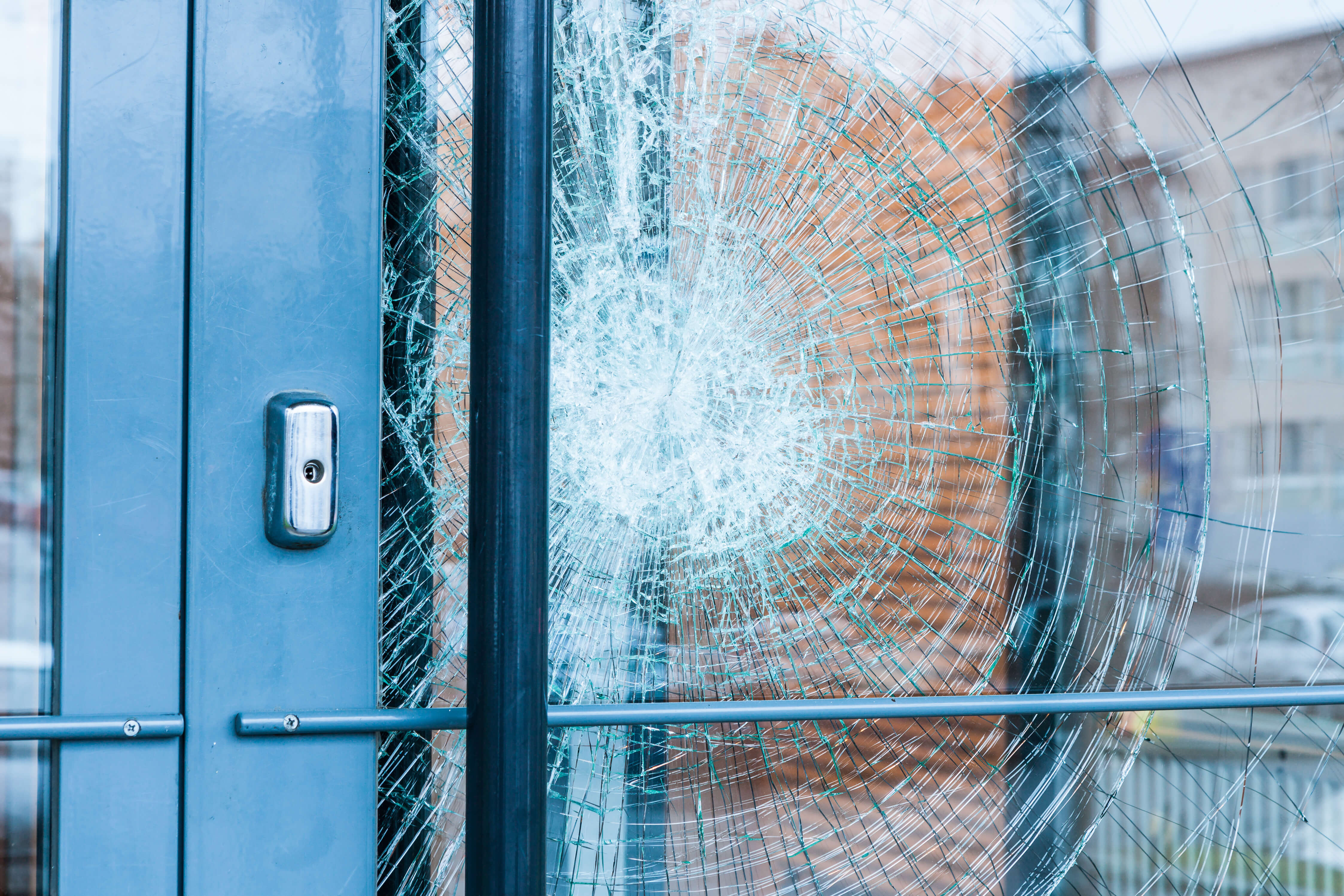
Security film applied to residential glass in South Florida ahead of hurricane season

Hurricane season starts June 1. If you're a homeowner, commercial property manager, or marina owner in South Florida, that date should be on your calendar, not just your weather app. Security window film South Florida property owners are adding before the season opens is one of the most practical retrofits available for existing glass. It's not a replacement for impact windows, and Florida law is clear that no film product can be marketed as hurricane-proof or hurricane-resistant. But as a safety layer on top of what you already have, it does real work.

Here's what you need to know before the season begins.

Why the Window Is the Weak Point

Glass is the most vulnerable surface on any building envelope during a storm. The risk isn't wind pressure alone. It's windborne debris: a roof tile traveling at 40 mph, a section of fence, a patio chair from a neighbor's balcony. Standard annealed glass doesn't flex under that kind of load. It shatters.

When it does, two things happen simultaneously. First, shards fly inward. Second, the building envelope opens. That opening allows interior air pressure to rise rapidly, and rising interior pressure is what causes roofs to lift. The glass failure is often the first link in a chain of structural failures.

South Florida sits in one of the most storm-exposed corridors in the country. Miami-Dade, Broward County, Palm Beach, and the coastal municipalities between them face direct hurricane threats regularly. The 2026 Atlantic hurricane season is projected to be active, consistent with the trend of recent years driven by elevated sea surface temperatures in the Atlantic basin. For property owners from Boca Raton to Hollywood, FL, that makes preparation a practical priority, not a precaution.

How Security Window Film Works in South Florida

Anti-shattering security film is a thick polyester laminate, typically 4 to 12 mil, bonded to the interior face of your glass with a pressure-sensitive adhesive. When a projectile hits the pane and the glass cracks, the film holds the fragments together in a cohesive sheet. The glass breaks, but it stays in the frame.

The protection works through three mechanisms.

Fragment retention. The adhesive bonds at the molecular level across the entire glass surface. In impact testing, filmed glass that completely cracks still holds together rather than dispersing shards across the room.

Dwell time. A filmed pane takes measurably longer to fully penetrate than unfilmed glass. For storm debris at lower velocities, and for forced-entry threats, that additional time is significant.

Envelope integrity. Because the filmed pane stays largely in the frame after cracking, the interior of the building stays sealed longer. Wind pressure builds more slowly, which reduces the risk to the roof structure above.

What Florida Law Actually Says

Florida has strict rules about how window film can be marketed, and you should understand them before any contractor makes promises. No film product can be legally marketed as hurricane-proof or hurricane-resistant in this state. Film is not a replacement for impact-rated glazing under the Florida Building Code.

What film can do, when properly installed, is provide meaningful fragment retention and improve the behavior of your glass under impact. On non-impact single-pane glass, an 8 or 14 mil security film with an engineered frame-anchoring system can carry a Miami-Dade County Notice of Acceptance (NOA). The NOA documents the performance of the film and attachment system as an integrated assembly. That documentation matters for inspectors and insurers, and it's the right way to evaluate any film claim for storm preparedness.

If you're comparing options for your Miami residence, your Fort Lauderdale storefront, or your Boca Raton office, the question isn't whether film replaces impact windows. The question is whether it's the right retrofit layer for your specific glass, given your building's threat profile and budget.

Security Window Film South Florida: Benefits Beyond the Storm

Even in years when no major storm makes landfall, security window film South Florida installations deliver measurable value. The benefits extend well past hurricane protection.

UV protection. Every film we install at Blackridge blocks at least 99% of UVA and UVB. For homeowners in Fort Lauderdale, Palm Beach, or Hollywood, FL with hardwood floors, leather upholstery, or significant artwork, that UV rejection dramatically extends the life of interior finishes. UV radiation is the primary driver of fading, and standard glass transmits it freely. Our UV protection film takes this further with a clear, near-invisible construction engineered specifically for art collections and fine interiors.

Energy savings. South Florida's cooling load is driven largely by solar heat gain through glass. Thicker security films provide some incidental heat rejection, but if energy efficiency is a priority, a heat rejection film on sun-exposed panes makes a larger thermal impact. SHGC on unfilmed 6mm clear glass runs around 0.73. A high-performance heat rejection film drops that to 0.21. That's the single largest thermal reduction available without replacing the glass, and most clients in Miami and Broward County see 20 to 40% off cooling costs on their most exposed elevations.

Glare reduction. West-facing rooms in Fort Lauderdale or Boca Raton take direct afternoon sun for hours. Film eliminates the choice between productive workspace and an open view.

Privacy. Our privacy tint and reflective film lines address street-facing and Intracoastal-facing glass where daylight privacy matters. Ceramic tints provide strong privacy without the mirror appearance that dual-reflective films produce from inside at night.

Commercial Applications: Miami, Fort Lauderdale, and Palm Beach

For commercial property managers and business owners, the calculus for security window film is broader than storm preparedness.

Smash-and-grab prevention. Retail storefronts in Brickell, South Beach, and Las Olas in Fort Lauderdale face a persistent forced-entry threat. Our 8-mil security film is tested to ASTM F3561 and EN 356 for forced entry resistance. The breach delay it provides, measured in additional minutes, is often enough to prevent a successful smash-and-grab.

Business continuity. An open storefront after a glass failure during a storm or a break-in means an immediate closure. Fragment retention film keeps the glass in the frame, which limits both the physical damage and the operational downtime.

Tenant specifications. Law firms, financial offices, and executive suites in Miami and Palm Beach increasingly include security film in their build-out requirements, particularly for lower-floor glass with street exposure.

For curtain-wall and commercial glazing across Broward County and Miami-Dade, we document every install with the specific film spec, pane dimensions, and attachment system. That documentation supports building recertification, insurance renewal, and inspector inquiries. It's how a professional film installation gets treated differently from a hardware-store retrofit.

Yacht and Marine Window Film for Coastal South Florida

Coastal South Florida property includes some of the highest-value vessels in the country. Portlights and salon glazing on vessels moored in Miami, Fort Lauderdale, and Palm Beach marinas are exposed to UV, salt air, and storm conditions continuously. Film on marine glass provides the same fragment retention as on residential glass, with the added benefit of UV protection for high-end interior finishes.

Leather, teak, and upholstery on a yacht face more cumulative UV exposure than the same materials inside a home. There's no roof cover, no tree shade, and the sun reflects off the water. Every install we do on a vessel blocks 99% or more of UV across the spectrum.

Marine film applications require adhesives and edge treatments engineered for hull flex and constant salt exposure. Standard residential film and standard sealants can delaminate on a boat within months. We use marine-rated materials on every yacht install and document the spec for each glazing type aboard.

For the full details on marine applications, our yacht window film guide covers isinglass, tempered portlights, curved glass, and what to look for before and after a marine install.

Getting Ready Before June 1: A Practical Timeline

The window between now and hurricane season is shorter than it looks.

Now through late April. Start your inquiry. Walk-throughs for residential properties typically take one hour. We measure every pane, document the existing glazing type, and identify which windows are candidates for security film and which already have impact glass that needs only a solar or UV upgrade.

May. Install window. A typical eight-to-twenty pane residential install runs one to two days on site. From first call to finished installation, expect three to four weeks during peak season. Earlier in the spring means shorter lead times.

After installation. Film needs a 30 to 90 day cure period during which the adhesive is still outgassing moisture. You may see light haze or small optical pockets in the first few weeks. That's completely normal and it resolves. Plan accordingly if you have an insurance inspection scheduled.

For commercial properties in Miami-Dade or Broward County that need an NOA-compliant installation, start the inquiry now. Permitting and building manager coordination extend the timeline.

Frequently Asked Questions

Does security window film qualify for a Florida wind mitigation credit?

Sometimes. The standard OIR-B1-1802 wind mitigation form doesn't credit film on its own. When film is paired with a frame-anchoring system on non-impact glass, the picture changes. We document every install with the NOA number, pane dimensions, and attachment system spec. The final determination on any premium adjustment belongs to your insurer, but we've seen meaningful credits on older South Florida properties after a documented film-and-anchor install.

Can I put film on my impact windows?

Yes, and it often makes sense to do it. Impact windows are designed for glass integrity, not for UV blocking, solar heat rejection, or glare control. High-performance solar and UV films applied over existing impact glazing address all three without affecting the impact rating. We confirm compatibility with the glazing manufacturer in writing before every such install.

Will film void my window warranty?

In nearly every case, no. The films we specify are engineered for compatibility with laminated impact glazing. If your windows carry an active manufacturer warranty, we confirm compatibility in writing before starting work.

How long does residential security film last?

Properly installed interior security and solar film on residential glass typically lasts 12 to 20 years. Marine applications run four to eight years due to salt exposure and UV intensity. All installs come with a manufacturer warranty, 15 years on residential for most of our security and solar products.

Is one film thickness better than another for hurricane protection?

Thicker is stronger, but the attachment system matters as much as the film itself. Our 8-mil is the standard for residential and most commercial applications, with a break strength of 200 lbs per inch. The 14-mil carries 325 lbs per inch and is specified for threat profiles that include prolonged forced entry or blast events. For most residential retrofits in Miami, Fort Lauderdale, or Palm Beach, the 8-mil with an engineered frame anchor is the right specification.


If you're ready to prepare your South Florida property before hurricane season opens, contact Blackridge Film for a free consultation. We serve residential and commercial properties across Miami-Dade, Broward County, Palm Beach, and the coastal corridor from Boca Raton to Hollywood, FL. We'll walk your glass, tell you what we see, and give you a clear recommendation with no obligation.

Begin

Start with the walk-through.